Lego Onboarding: One Baseline, Then Snap On Team Blocks


Most companies run onboarding one of two ways. Either everyone gets the exact same experience, or every team builds its own from scratch. The first feels generic. The second turns into a maintenance problem nobody owns.
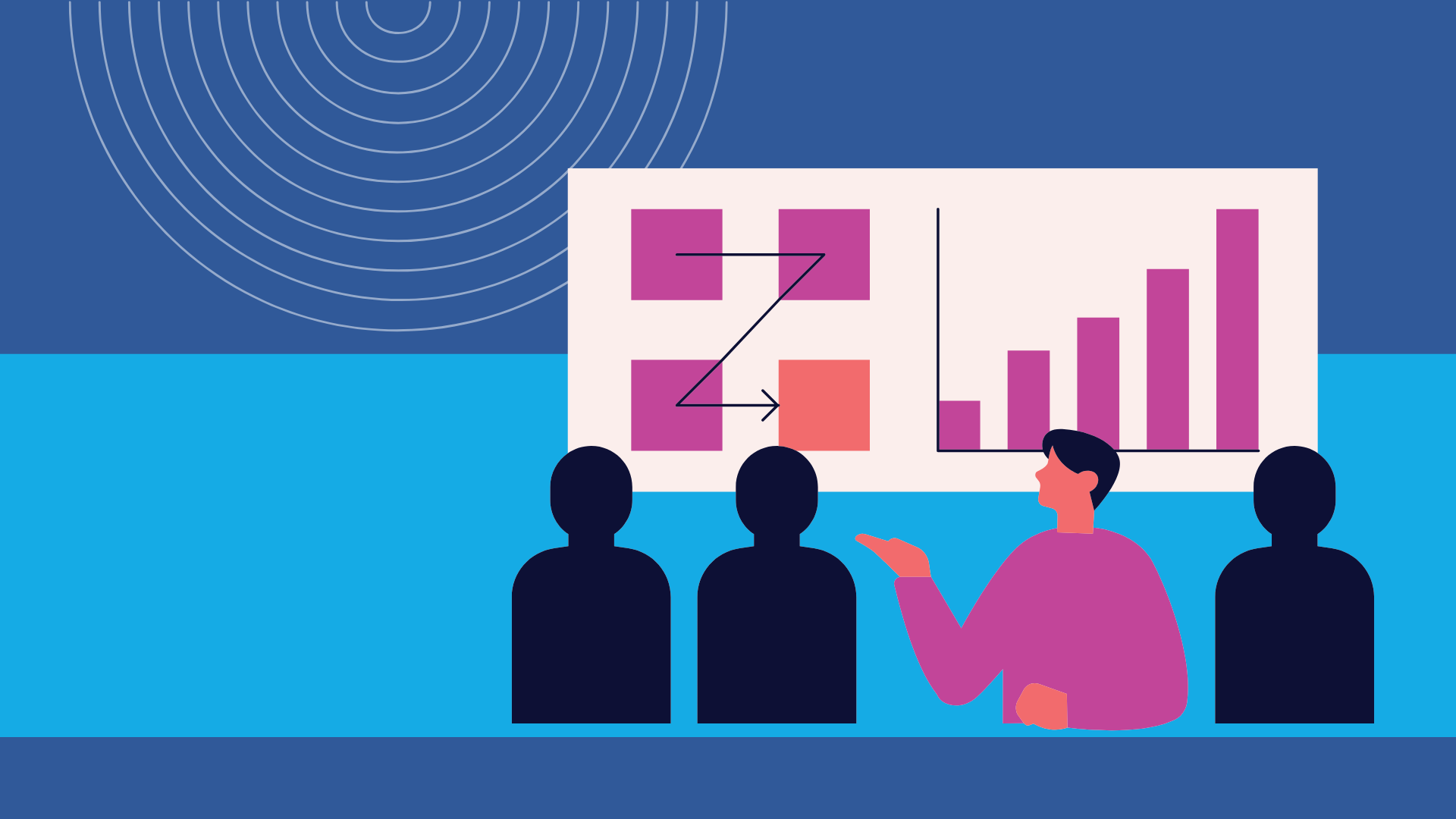
There's a better model, and recruiting teams already use it for interviews. One talent leader described it to us as "Lego architecture": a solid baseline everyone goes through, plus blocks that snap on depending on the role.
The baseline
The baseline is what every new hire needs, no matter where they sit:
- Company mission, values, and leadership principles
- Core policies and benefits enrollment
- Security and compliance basics
- How to get help, and who to ask
- The org chart, so people know where they fit
The People team owns this layer. It changes rarely, it applies to everyone, and it should be excellent.
The blocks
Blocks are short, focused journeys for a specific team or role. A sales block might cover the CRM, territory rules, and the first-call playbook. An engineering block might cover the dev environment, code review norms, and on-call expectations.
Because blocks are driven by HRIS data like department, job level, and location, the right person sees the right block automatically. A new engineer never sees the sales block. A new sales rep never wades through on-call docs.
Blocks also give team leaders a clear way to contribute. Instead of asking the People team to add "one more thing" to company-wide onboarding, a department head can own their block, record their own welcome video, and keep it current.
What good blocks look like
Here are four blocks most mid-market companies could build in their first quarter. Each one is short, has a named owner, and has a clear finish line.
Sales block (owner: sales enablement lead). CRM setup and hygiene rules, territory and account assignment, the sales process and stage definitions, shadowing three calls, and a first-call certification. Finish line: the new rep runs a discovery call with their manager listening.
Engineering block (owner: engineering manager or platform lead). Dev environment setup, code review norms, the deploy process, on-call expectations, and a starter ticket. Finish line: first change shipped to production.
Frontline block (owner: operations or site leader). Site safety, shift and scheduling basics, how to request time off, who to call for help on shift, and a mobile-first version of the baseline. Finish line: first independent shift with a supervisor sign-off.
People manager block (owner: People team). How to run 1:1s and check-ins, performance and feedback basics, how to approve time off and expenses, and how to onboard their own new hires. Finish line: the manager completes their first check-in with a direct report.
Notice what these have in common. Each block is a handful of steps, not a course catalog. Each one ends in something the new hire does, not something they read.
Keep the blocks big, not granular
There's a real risk here. Once teams see they can customize, everyone wants their own block, then a sub-block, then a block per role.
Resist it. Every block is content that someone has to keep current. Start with a handful of large blocks for the teams with the clearest needs, like product and engineering, sales, or customer support. Go more granular only when the data shows a gap.
A good rule: if you can't name the person who will update a block every quarter, you don't need that block yet.
Before you approve a new block, ask four questions:
- Does this team's onboarding differ from the baseline in a meaningful way? Different tools, rituals, or skills count. A different welcome message doesn't.
- Is there enough volume? A team that hires twice a year may be better served by a manager checklist than a full block.
- Who owns it? A named person, with time set aside each quarter to review it.
- How will we know it works? Pick one measure, like time to first shipped change or time to first closed deal.
If the answer to any of these is unclear, add a few steps to the baseline for that team instead and revisit it next quarter.
Who owns what
Modular onboarding only works if ownership is clear. A simple split:
- The People team owns the baseline, the overall journey structure, the data connections, and the measurement. They also set the standards every block has to meet, like length, tone, and accessibility.
- Department leaders own their block's content. They decide what their new hires need and keep it current.
- Managers own the human parts: the check-ins, the introductions, the feedback. The system reminds them, but they have to show up.
- New hires own completing their steps, with a clear view of what's next.
Review the baseline twice a year and each block every quarter. Use the engagement data to guide the review: steps nobody finishes, content people keep revisiting, and survey comments that point to gaps.
Start with one pilot team
Don't roll this out everywhere at once. A phased approach works better:
- Phase one. Move existing onboarding content out of your wiki and docs into a single baseline journey. Get every new hire onto it.
- Phase two. Pick one team that's already asking for help with onboarding and build their block with them.
- Phase three. Use what you learned to add blocks for two or three more teams.
The pilot team becomes your proof point and your template.
Two blocks most companies are missing
Leadership onboarding. Senior hires get the same welcome as everyone else, then they're expected to figure out the operating rhythm on their own. A leadership block can cover how decisions get made, who owns what, which operating groups exist, and who the key decision-makers are across functions. That context is usually locked in people's heads.
Business integration. When you survey new hires about onboarding, the pain often isn't the People team's content. It's figuring out how their own team and their cross-functional partners actually work. Pulling in real-time context about teams, owners, and processes closes that gap.
The same model works beyond onboarding
Once you have a baseline plus blocks, you can use the same structure for other moments. Take interview training. Instead of running a once-a-year class for hiring managers, connect to your applicant tracking system. Three days before a manager's interview, they get a nudge with the five questions to ask and how to frame them, plus a simple form to capture notes and send them back to recruiting.
Promotions, internal transfers, and returning from leave all fit the same pattern. Someone moving into their first manager role gets the people manager block. Someone transferring from sales to customer success gets the customer success block without repeating the company baseline. The building blocks you made for onboarding keep paying off across the employee lifecycle.
Frequently asked questions
What is modular onboarding? Modular onboarding splits the new hire experience into a shared company baseline plus optional blocks for specific teams, roles, or levels. HRIS data decides which blocks each person gets, so everyone sees what applies to them and nothing else.
How many blocks should we start with? One baseline and one pilot block. Add two or three more once the pilot has run for a full hiring cycle and you've learned what works. Most mid-market companies don't need more than five to eight blocks in total.
Who should own each block? The leader of the team it serves, with the People team setting standards and providing the platform. If no one on that team will commit to reviewing it quarterly, it isn't ready to be a block.
How is this different from an LMS? A learning management system holds courses. A modular onboarding journey decides what each person should do and when, across channels, and includes non-learning steps like meeting people, setting up tools, and manager check-ins. Many teams link to LMS courses as steps inside a block.
Does this work for frontline employees? Yes, and it often helps them most. A frontline block can be mobile-first and delivered by text, with steps tied to shifts and sites rather than desks and laptops.
That's the payoff of modular design. Build the foundation once, then keep snapping on what each moment needs.
Build your People team's AI hub in minutes
Put the ideas from this article to work. Describe the experience you want, and ChangeEngine builds a personalized employee hub with onboarding, an HR question agent and more. Start free, then connect your HRIS and comms channels when you're ready.