What internal communications actually covers, who owns it, and how to build a programme from nothing — written for people who have just inherited the job.
In modern businesses, the importance of internal communications has grown exponentially. It's no longer just about sending out memos; it's about fostering a culture of transparency, collaboration, and shared purpose. Strong internal comms helps to:
Align employees with strategic goals: Ensuring everyone understands the company's vision, mission, and how their individual roles contribute to the bigger picture.
Boost employee engagement and morale: Keeping employees informed and feeling valued leads to higher job satisfaction and lower turnover.
Manage change effectively: During periods of organizational change, clear and consistent communication is crucial to mitigate anxiety and ensure a smooth transition.
Enhance productivity and innovation: When employees are well-informed, they can make better decisions, collaborate more effectively, and are more likely to contribute new ideas.
Build a strong employer brand: A positive internal environment, fostered by good communication, naturally translates into a more attractive company for potential hires.
Mitigate misinformation and rumors: Proactive and transparent communication helps to address concerns and prevent the spread of inaccuracies.
ChangeEngine serves as a dedicated internal comms platform, designed to empower organizations to achieve these communication goals effectively and efficiently. For more details on how ChangeEngine can transform your internal communications strategy, please visit our homepage.
Why Internal Comms Matters: The Cornerstone of Organizational Success
Effective internal communication isn't just a buzzword; it's a critical strategic imperative that underpins every facet of a thriving organization. Its profound impact resonates across employee engagement, productivity, and culture, transforming how businesses operate and succeed in a dynamic global landscape.
The Indispensable Role in Employee Engagement, Productivity, and Culture
Employee Engagement: When employees feel informed, heard, and understood, their sense of belonging and commitment skyrockets. Transparent communication about company goals, progress, and challenges fosters trust and reduces anxiety, leading to a more engaged and motivated workforce. Engaged employees are more likely to be brand advocates, innovate, and go the extra mile.
Productivity: Clear, concise, and timely communication minimizes misunderstandings and redundant efforts. When employees understand their roles, responsibilities, and how their work contributes to the broader organizational objectives, they can work more efficiently and effectively. This directly translates to increased productivity, faster project completion, and improved overall output.
Culture: Internal communications are the lifeblood of an organization's culture. They shape shared values, reinforce desired behaviors, and build a sense of community. Consistent messaging about company vision, mission, and ethics helps to create a cohesive and positive work environment where employees feel valued and aligned with the company's purpose. It also plays a vital role in fostering an inclusive environment, promoting diversity, and celebrating successes.
Navigating Common Challenges in Internal Communications
In today's complex business environment, internal communication teams face a myriad of challenges that can hinder their effectiveness:
Information Silos: One of the most pervasive issues is the fragmentation of information across different departments, teams, or even individual employees. This leads to a lack of shared understanding, duplicated efforts, and missed opportunities. Without a centralized and accessible communication strategy, vital information can get trapped, preventing holistic decision-making and collaboration.
Remote/Hybrid Teams: The shift to remote and hybrid work models has introduced new complexities. Maintaining a consistent communication flow and fostering a sense of connection among geographically dispersed teams requires deliberate and innovative strategies. Traditional in-office communication methods are often insufficient, necessitating a greater reliance on digital tools and thoughtful virtual engagement.
Message Overload: In an era of constant digital communication, employees are often inundated with emails, messages, and notifications. This "information fatigue" can lead to important messages being overlooked or ignored. The challenge lies in cutting through the noise, prioritizing crucial information, and delivering it in a digestible and impactful manner.
The Tangible Cost of Poor Internal Communications
The ramifications of ineffective internal communication extend beyond abstract concepts like morale and engagement; they have a very real and measurable financial impact on organizations. Data and statistics consistently highlight the significant costs associated with a breakdown in communication:
Reduced Employee Retention: A lack of clear communication and transparency can lead to feelings of frustration, disengagement, and a sense of being undervalued, ultimately driving employees to seek opportunities elsewhere. High employee turnover incurs substantial costs related to recruitment, onboarding, and lost productivity.
Decreased Productivity and Operational Inefficiencies: Miscommunications lead to errors, rework, and wasted time. Projects can be delayed, resources misallocated, and goals missed, all contributing to a tangible drain on organizational efficiency and profitability. Studies have shown that poor communication can lead to billions of dollars in losses annually across industries.
Damaged Employee Morale and Culture: A work environment characterized by poor communication often breeds mistrust, rumors, and low morale. This can manifest in decreased innovation, reduced collaboration, and a general decline in the overall quality of work, impacting the company's ability to attract and retain top talent.
Negative Impact on Customer Satisfaction: Internal communication issues can directly affect external customer service. If employees are not adequately informed about products, services, or company policies, their ability to effectively assist customers is compromised, leading to dissatisfaction and potential loss of business.
Missed Strategic Opportunities: When vital information doesn't flow freely, organizations can miss critical market shifts, fail to adapt to changing customer needs, and overlook opportunities for growth and innovation. This can leave them at a competitive disadvantage.
In conclusion, internal communication is not merely a support function; it is a strategic asset that directly influences an organization's bottom line. Investing in robust and effective internal communication strategies is an investment in employee well-being, operational excellence, and sustainable business growth.
Core Types of Internal Communications
Effective internal communications are crucial for any organization's success, ensuring employees are informed, engaged, and aligned with company goals.
While the specific channels and messages may vary, most internal communications can be categorized into five core types, each serving a distinct purpose and audience. Breaking these down helps in strategizing a comprehensive and impactful internal comms plan.
Leadership Communications (Strategy and Vision)
This category focuses on messages from senior leadership, including the CEO, executive team, and department heads. The primary goal is to articulate the company's overall strategy, vision, mission, and long-term objectives. These communications are essential for building a shared understanding of the organization's direction, fostering alignment, and inspiring employees.
Examples include quarterly town halls, strategic memos, vision statements, performance updates from leadership, and announcements regarding major company milestones or shifts in direction. The tone is typically authoritative yet inspiring, aiming to build confidence and galvanize the workforce.
HR Communications (Policies, Benefits, Culture)
HR communications are designed to inform employees about company policies, procedures, benefits, and initiatives related to employee well-being and company culture. These communications ensure compliance, provide clarity on employee rights and responsibilities, and promote a positive and inclusive work environment.
Examples include updates on healthcare plans, retirement benefits, vacation policies, employee handbooks, diversity and inclusion initiatives, training and development opportunities, and notices about company events that foster culture, such as holiday parties or team-building activities. The tone should be clear, informative, and supportive, often emphasizing employee welfare and the company's commitment to its people.
Team Communications (Day-to-Day Collaboration)
Team communications encompass the routine, often informal, exchanges that facilitate day-to-day collaboration and operational efficiency within departments and cross-functional teams. This type of communication is vital for project execution, problem-solving, and maintaining workflow.
Examples include project updates, meeting minutes, team-specific announcements, task assignments, feedback sessions, and informal check-ins. While formal channels might be used, a significant portion occurs through collaboration platforms, instant messaging, and daily stand-ups. The tone is typically practical, direct, and collaborative, focusing on actionable information to keep projects moving forward.
Change communications are specifically designed to manage and navigate periods of significant organizational transformation. This includes announcements and updates related to mergers and acquisitions, departmental restructures, major strategic pivots, new system implementations, or significant changes in operational processes.
The objective is to inform employees about upcoming changes, explain the rationale behind them, address potential concerns, and guide them through the transition period. Effective change communications are proactive, transparent, and empathetic, often involving detailed timelines, FAQs, and opportunities for feedback. The tone should be reassuring but realistic, acknowledging potential disruption while emphasizing the positive outcomes of the change.
Crisis communications are deployed during unexpected and critical events that could impact the organization's reputation, operations, or employee safety. This includes natural disasters, security breaches, public relations crises, or major operational failures.
The immediate goal is to provide urgent, accurate information to employees, ensure their safety and well-being, and mitigate potential damage. These communications prioritize speed, clarity, and transparency, aiming to build and maintain trust during challenging times. Examples include emergency alerts, safety instructions, official statements regarding incidents, and updates on recovery efforts. The tone is serious, empathetic, and authoritative, emphasizing responsibility and a commitment to resolution.
Channels of Internal Communications
Effective internal communication hinges on selecting and strategically utilizing various channels to reach employees. Each channel possesses unique strengths and weaknesses that dictate its suitability for different communication objectives.
Traditional and Established Channels
Email: Remains a cornerstone for formal announcements, policy updates, project communications, and general information dissemination. Its strength lies in its ability to deliver detailed information, provide a written record, and reach a broad audience. However, it can suffer from inbox overload and a lack of immediate engagement.
Chat Applications (e.g., Slack, Microsoft Teams): Ideal for real-time, informal communication, quick queries, team collaboration, and fostering a sense of community. Their immediacy and interactive nature are significant advantages, though they can sometimes lead to information fragmentation if not managed effectively.
Intranets: Serve as centralized hubs for company resources, news, directories, and collaborative workspaces. They offer a comprehensive repository of information and promote self-service for employees. Their effectiveness depends on user-friendliness, regular updates, and clear navigation.
Town Halls (In-person or Virtual): Excellent for delivering important company-wide messages, fostering transparency, engaging in Q&A sessions with leadership, and boosting morale. They provide a human element and a sense of collective purpose, but require significant logistical planning.
Newsletters (Internal): Can be delivered via email or intranet, offering a curated digest of company news, employee achievements, upcoming events, and strategic updates. They are effective for storytelling, reinforcing company culture, and maintaining a consistent narrative. Their success relies on engaging content and a clear editorial calendar.
Emerging and Innovative Channels
AI-powered Tools: These are increasingly being leveraged for personalized communication, content curation, sentiment analysis, and even automated responses to common employee queries. AI can enhance efficiency and tailor information delivery to individual employee needs, reducing information overload.
Mobile Applications: Dedicated internal communication apps provide a convenient way to reach employees on the go, especially for frontline workers or those without regular desktop access. They can offer push notifications for urgent updates, access to resources, and simplified communication features.
Understanding the unique characteristics of each channel is crucial for designing a comprehensive internal communication strategy.
A good strategy often involves a multi-channel approach, leveraging the strengths of different platforms to achieve specific communication goals and ensure messages resonate with diverse employee segments. The key is to analyze the message, the audience, and the desired outcome to select the most appropriate channel or combination of channels.
Best Practices for Effective Internal Communications
Effective internal communications are the backbone of a cohesive, productive, and engaged workforce. To ensure messages resonate and achieve their intended impact, consider the following best practices:
Clarity and Simplicity of Messaging:
Conciseness: Get straight to the point. Employees are often bombarded with information; clear, concise messages are more likely to be read and understood. Avoid jargon and overly complex language.
Actionability: When communicating information that requires action, make the next steps explicit and easy to follow.
Consistency in Language: Use consistent terminology and branding across all internal communications to build familiarity and reinforce company identity.
Frequency and Consistency:
Regular Cadence: Establish a predictable schedule for key communications (e.g., weekly newsletters, monthly all-hands meetings). This helps employees anticipate information and reduces the feeling of being overwhelmed by sporadic blasts.
Channel Consistency: While diverse channels are important, ensure that similar types of information are consistently delivered through the same channels to avoid confusion (e.g., all urgent alerts via a specific tool, all company news via the intranet).
Reinforcement: Important messages may need to be repeated across different channels or over a period to ensure widespread understanding and retention.
Inclusivity (Reaching Remote and Diverse Teams):
Multi-Channel Approach: Acknowledge that employees consume information differently. Utilize a mix of channels such as email, intranet, team collaboration platforms, video conferencing, physical notice boards (for on-site staff), and printed materials.
Accessibility: Ensure all communications are accessible to employees with disabilities (e.g., provide captions for videos, use clear fonts and sufficient contrast).
Time Zone Awareness: When scheduling live events or sending time-sensitive information, consider the different time zones of a distributed workforce.
Cultural Sensitivity: Tailor messages to be culturally sensitive and relevant to diverse backgrounds within the organization. Avoid idioms or references that may not translate well.
Feedback Loops and Measurement:
Two-Way Communication: Internal communication should not be a one-way street. Create avenues for employees to provide feedback, ask questions, and voice concerns (e.g., anonymous surveys, Q&A sessions, dedicated feedback channels).
Listen Actively: Demonstrate that feedback is valued by actively listening and, where appropriate, acting upon it. Communicate how feedback is being used.
Analytics and Metrics: Track key metrics to assess the effectiveness of your communications. This could include email open rates, intranet page views, participation in webinars, survey completion rates, and employee engagement scores. Use this data to continually refine your strategy.
Aligning with Company Culture and Values:
Authenticity: Communications should reflect the genuine voice and personality of the organization. Avoid corporate jargon that feels inauthentic.
Reinforce Values: Every communication is an opportunity to reinforce the company's core values, mission, and vision. Show how daily work connects to the broader organizational goals.
Leadership Endorsement: Visible and consistent communication from leadership is crucial. When leaders embody and champion the company culture, it significantly boosts the credibility and impact of internal communications.
Creating an Internal Comms Strategy Framework
Developing a comprehensive internal communications strategy is paramount for fostering a well-informed, engaged, and productive workforce. This framework outlines the essential steps to construct an effective internal comms plan, from defining your objectives to measuring your impact.
How to Build an Internal Comms Plan: A Step-by-Step Approach
Step 1: Objectives
Begin by clearly defining what you aim to achieve with your internal communications. Are you looking to increase employee engagement, drive understanding of a new company initiative, foster a stronger company culture, or improve inter-departmental collaboration?
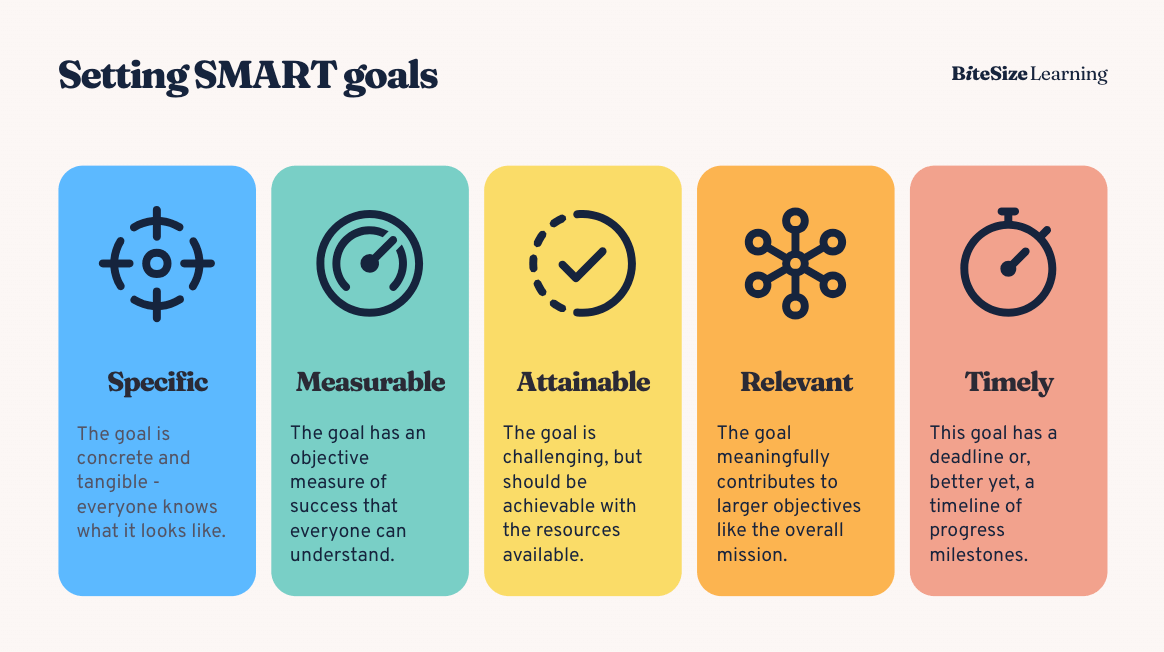
Specific, measurable, achievable, relevant, and time-bound (SMART) objectives are crucial for guiding your strategy and evaluating its success. For example, instead of "improve communication," a better objective would be "increase employee understanding of our new benefits package by 20% by Q4."
Step 2: Audience
Understand your diverse internal audience. Not all employees are the same; they have different roles, locations, communication preferences, and information needs. Segment your audience by department, seniority, geographical location, or even by their access to technology.
Tailoring your messages and channels to specific audience segments ensures relevance and resonance. Consider conducting surveys or focus groups to gain insights into employee communication preferences and current pain points.
Step 3: Channels
Select the most appropriate channels to reach your identified audience segments and achieve your objectives. A multi-channel approach is often most effective. Consider a mix of:
Digital Channels: Email newsletters, intranet platforms, internal social media (e.g., Slack, Microsoft Teams), video conferencing, company-wide announcements, digital signage.
Traditional Channels: Town hall meetings, team meetings, notice boards, printed materials (e.g., brochures, posters).
Direct Channels: One-on-one conversations, manager briefings, leadership roadshows. The choice of channel should align with the urgency, complexity, and sensitivity of the message.
Measurement: Establish key performance indicators (KPIs) to track the effectiveness of your internal comms efforts. This involves more than just sending messages; it's about understanding if they are being received, understood, and acted upon. Examples of measurement metrics include:
Email open rates and click-through rates.
Intranet page views and engagement.
Employee survey results (e.g., sentiment analysis, understanding of key messages).
Regularly review your data to identify what's working well and where adjustments are needed.
Example Steps for an Internal Comms Plan
While a one-size-fits-all template doesn't exist, a robust internal comms plan typically includes sections for:
Executive Summary: A brief overview of the plan.
Background/Context: Why is this plan necessary? What are the current challenges or opportunities?
Target Audience Analysis: Detailed profiles of key employee segments.
Key Messages: The core information you need to convey.
Communication Channels & Tools: A list of chosen channels and how they will be utilized.
Timeline/Cadence: When and how often will communications be disseminated?
Roles & Responsibilities: Who is responsible for what?
Budget (if applicable): Resources required.
Measurement & Evaluation Plan: How success will be measured and reported.
Contingency Plan (optional): How to handle unexpected communication challenges.
The Role of Software in Execution
Modern internal communications heavily rely on specialized software and platforms to streamline processes, enhance reach, and improve engagement. These tools can significantly simplify the execution of your strategy:
Intranet/Employee Portals: Centralized hubs for company news, documents, policies, and employee directories. They foster a sense of community and provide a single source of truth.
Internal Social Media/Collaboration Tools: Platforms like Slack, Microsoft Teams, or Yammer enable real-time communication, group discussions, and knowledge sharing, breaking down silos.
Email Marketing Platforms (Internal Use): Tools designed for sending segmented, branded email newsletters with analytics to track engagement.
Video Conferencing & Streaming Platforms: Essential for remote teams, town halls, and delivering important announcements or training sessions.
Employee Advocacy Platforms: Empower employees to share company news and achievements externally, turning them into brand ambassadors.
Digital Signage Software: For displaying announcements, KPIs, and engaging content in physical office spaces.
Survey Tools: To gather feedback, assess understanding, and measure sentiment.
Leveraging these technologies not only improves efficiency but also allows for more personalized, targeted, and measurable internal communications, ultimately leading to a more connected and informed workforce.
How to Measure the Success of Internal Comms
Measuring the effectiveness of internal communications is paramount to demonstrating value, identifying areas for improvement, and ensuring that communication efforts align with organizational goals. A robust measurement framework allows teams to move beyond anecdotal evidence and make data-driven decisions.
Key Metrics to Understand
To comprehensively assess success, a combination of quantitative and qualitative metrics should be utilized.
Employee Engagement Rates
This is a foundational metric that indicates how actively employees are interacting with internal communications. It can be broken down into:
Open Rates: For emails, this measures the percentage of recipients who open a message.
Click-Through Rates (CTR): For emails and intranet content, this measures the percentage of people who click on links within the communication.
Intranet/Platform Analytics: Page views, time spent on pages, unique visitors, and repeat visits provide insights into content consumption.
Attendance Rates: For live events, webinars, or town halls, this measures the percentage of invited employees who attend.
Comment/Reaction Rates: On social intranets or collaboration platforms, this measures the frequency of likes, shares, and comments.
Employee Feedback Scores
Direct feedback from employees offers invaluable qualitative data that can reveal sentiment, understanding, and perceived impact.
Surveys: Regular or ad-hoc surveys (e.g., pulse surveys, annual engagement surveys) can include specific questions about communication effectiveness, clarity, relevance, and preferred channels.
Focus Groups: Smaller, in-depth discussions can uncover nuances and provide rich qualitative insights into how employees perceive and respond to communications.
Suggestion Boxes/Feedback Channels: Establishing accessible channels for employees to provide anonymous or named feedback on communications.
Sentiment Analysis: Utilizing tools to analyze written feedback from surveys or open text fields to gauge overall employee sentiment towards communications.
Participation: Beyond simply consuming content, participation metrics indicate how well communications are fostering two-way dialogue and involvement.
Q&A Engagement: Number of questions asked during town halls or webinars, or submitted to internal communication platforms.
Idea Submissions: For campaigns designed to solicit employee ideas or suggestions.
Employee-Generated Content: The extent to which employees are contributing content to internal platforms (e.g., blog posts, forum discussions).
Volunteer Rates: For internal initiatives or community involvement promoted through internal comms.
Internal Comms Tools for Tracking Impact
A variety of tools can aid in collecting and analyzing these metrics.
Email Marketing Platforms: Many internal comms teams use platforms that provide detailed analytics on open rates, CTRs, and device usage.
Intranet/Collaboration Platform Analytics: Most modern intranets (e.g., SharePoint, Yammer, Slack, dedicated internal comms platforms) offer built-in analytics dashboards.
Survey Software: Tools like SurveyMonkey, Qualtrics, or internal HRIS survey modules are essential for collecting structured employee feedback.
HR Information Systems (HRIS): Can provide demographic data for segmentation and analysis (e.g., comparing engagement rates across departments or locations).
Web Analytics Tools: For public-facing internal content or employee portals, standard web analytics tools can be useful.
Internal Social Media Analytics: Platforms with social features will have their own analytics for likes, comments, and shares.
Custom Dashboards: Integrating data from various sources into a centralized dashboard (e.g., using Power BI, Tableau, or even advanced Excel) allows for a holistic view of performance.
How Measurement Improves Over Time
Measurement is not a one-time activity but an iterative process that refines and enhances communication strategies.
Baseline Establishment: Initial measurement provides a baseline against which future performance can be compared, helping to identify trends and the impact of specific initiatives.
Identifying Best Practices: Analyzing which types of content, channels, and timing yield the highest engagement helps to refine future communication plans.
Pinpointing Gaps and Weaknesses: Low engagement in certain areas or negative feedback can highlight channels that are underperforming or topics that are not resonating.
Demonstrating ROI: Quantifiable results allow internal comms to demonstrate their contribution to business objectives, justifying resources and investment.
Targeted Communication: Understanding audience preferences and engagement patterns enables more personalized and relevant communication delivery.
Continuous Improvement: By regularly reviewing metrics and feedback, internal comms teams can adapt their strategies, experiment with new approaches, and continuously optimize their impact. This iterative loop of plan, communicate, measure, and adjust is crucial for long-term success.
The Role of Technology in Internal Comms
Technology has become an indispensable tool for effective internal communications. What began with simple email broadcasts has evolved into sophisticated internal comms software platforms, fundamentally transforming how organizations connect with their employees. These advanced solutions offer a centralized hub for information dissemination, collaboration, and feedback, moving beyond mere one-way communication to foster a dynamic, interactive internal dialogue.
Modern internal comms software integrates various functionalities, including news feeds, dedicated channels for different departments or projects, multimedia content sharing, and real-time analytics. This allows for a more targeted and measurable approach to internal communication, ensuring that the right message reaches the right audience at the right time.
A significant leap in this evolution is the integration of Artificial Intelligence (AI) and automation. AI algorithms can analyze employee engagement data, identify communication preferences, and even predict optimal times for message delivery.
This capability enables unparalleled personalization and timing, ensuring that communications are not only relevant but also delivered when employees are most likely to receive and act upon them. For instance, AI can segment employees based on their roles, locations, or interests, tailoring content to resonate more deeply with each group. Automation, on the other hand, streamlines repetitive tasks such as scheduling announcements, sending reminders, and distributing routine updates, freeing up internal communications teams to focus on strategic initiatives and content creation.
By leveraging these technological advancements, organizations can cultivate a more informed, engaged, and unified workforce. The strategic adoption of cutting-edge internal comms software, powered by AI and automation, is no longer a luxury but a necessity for fostering a thriving internal culture and achieving organizational goals.
Common Pitfalls in Internal Comms & How to Avoid Them
Effectively managing internal communications is crucial for any organization, but it's fraught with potential missteps. Being aware of these common pitfalls and proactively developing strategies to avoid them can significantly enhance the success of your internal comms efforts.
1. One-way messaging without feedback
A common mistake is to treat internal communications as a top-down broadcast. This approach ignores the vital need for dialogue and employee engagement. Without opportunities for feedback, questions, and open discussion, employees can feel disengaged, unheard, and resentful. This can lead to misunderstandings, decreased morale, and a lack of buy-in for organizational initiatives.
How to avoid: Implement mechanisms for two-way communication. This could include regular Q&A sessions, anonymous suggestion boxes, interactive town halls, employee surveys, and dedicated communication channels where employees can comment and ask questions. Encourage leaders to actively listen and respond to feedback, demonstrating that employee voices are valued.
2. Information overload
In an effort to keep everyone informed, organizations sometimes err on the side of providing too much information, too frequently, and without proper prioritization. This can lead to employees feeling overwhelmed, important messages getting lost in the noise, and a general disengagement from communication channels.
How to avoid: Be strategic and concise with your messaging. Prioritize key information and present it clearly and succinctly. Segment your audiences to ensure that employees only receive information relevant to them. Utilize various communication channels judiciously, and consider a "less is more" approach, focusing on quality over quantity. Summarize complex information and provide links for those who wish to delve deeper.
3. Lack of alignment with leadership
If internal communications efforts are not aligned with the strategic goals and messaging of senior leadership, they risk being seen as disjointed, inconsistent, or even contradictory. This can erode trust, create confusion, and undermine the credibility of both the communications team and the leadership.
How to avoid: Ensure that internal communications strategies are developed in close collaboration with leadership. Leaders should be actively involved in shaping key messages and should consistently reinforce those messages in their own communications. Provide leaders with talking points and support to ensure a unified voice. Regular check-ins with leadership are essential to maintain alignment.
4. Using too many disconnected tools
In an attempt to address various communication needs, organizations sometimes adopt a plethora of different tools (e.g., email, intranet, Slack, Teams, various project management platforms). When these tools are not integrated or used strategically, they can create a fragmented and confusing experience for employees, leading to inefficiencies and missed information.
How to avoid: Conduct an audit of your existing communication tools to identify redundancies and inefficiencies. Strive for a unified communication platform or a well-integrated suite of tools that work seamlessly together. Provide clear guidelines on which tools to use for what type of communication. Train employees on how to effectively use the chosen tools and ensure that information is easily discoverable across platforms. Consolidate as much as possible to create a more streamlined and intuitive communication ecosystem.
How to Choose the Right Internal Comms Platform
Selecting the optimal internal communications platform is a critical decision that can significantly impact employee engagement, productivity, and overall business success. It's not merely about picking a tool; it's about investing in a system that fosters seamless information flow, strengthens company culture, and empowers your workforce.
Factors you should consider:
Scalability: Will the platform grow with your organization? Consider your current employee count and projected growth. A scalable platform ensures you won't outgrow your solution quickly, avoiding the disruption and cost of frequent migrations. Look for platforms that can handle increasing user numbers, data volumes, and communication channels without performance degradation.
Integrations: How well does it play with your existing tech stack? A robust internal comms platform should integrate seamlessly with other essential business tools like HRIS, CRM, project management software (e.g., Asana, Jira), collaboration tools (e.g., Slack, Microsoft Teams), and single sign-on (SSO) providers. This reduces manual effort, prevents data silos, and creates a unified digital workplace experience.
Ease of Use: Is it intuitive for both administrators and employees? A platform that's difficult to navigate or administer will face low adoption rates. Look for a user-friendly interface, clear navigation, and straightforward content creation and publishing tools. For employees, it should be easy to find information, interact with content, and participate in discussions.
Features and Functionality: Does it offer the specific features your organization needs? This might include news feeds, personalized content delivery, employee directories, social features (likes, comments, shares), polling and surveys, analytics, mobile accessibility, and robust search capabilities. Prioritize features that directly address your communication challenges and goals.
Security and Compliance: Does it meet your organization's security standards and regulatory requirements? Data privacy and security are paramount. Ensure the platform adheres to industry best practices for data encryption, access controls, and compliance regulations relevant to your industry and location (e.g., GDPR, CCPA).
Support and Training: What kind of support does the vendor offer? Evaluate the availability and quality of customer support, training resources, and documentation. A responsive support team can be invaluable when issues arise, and comprehensive training materials can accelerate user adoption.
Cost-Effectiveness: Does it provide a good return on investment? Consider not just the licensing fees but also implementation costs, ongoing maintenance, and the potential for increased efficiency and engagement.
Why a dedicated internal comms platform outperforms piecemeal tools
While individual tools like email, chat apps, and intranets serve specific purposes, relying solely on a collection of disparate solutions for internal communications often leads to fragmentation, inefficiency, and a disjointed employee experience. A dedicated internal comms platform offers a centralized, integrated hub that:
Centralizes Information: No more hunting for important announcements across multiple channels. A dedicated platform provides a single source of truth for company news, policies, and resources, making information easily accessible and searchable.
Enhances Engagement: Modern internal comms platforms are designed with engagement in mind, offering interactive features like social feeds, comments, polls, and recognition programs that encourage two-way communication and foster a sense of community.
Improves Consistency: It ensures consistent messaging and branding across all internal communications, reinforcing company values and mission.
Boosts Productivity: By streamlining information flow and reducing email overload, employees can spend less time searching for information and more time on their core responsibilities.
Provides Analytics: Dedicated platforms typically offer robust analytics on content consumption, engagement rates, and reach, allowing communicators to measure the effectiveness of their strategies and make data-driven improvements.
Strengthens Culture: By facilitating open communication, recognizing achievements, and fostering connections, a dedicated platform plays a vital role in building a strong, cohesive company culture.
Ready to transform your internal communications? Discover how ChangeEngine can elevate your employee experience and drive business success.
Your Next Steps
So, we've explored how internal communications isn't just about sending out memos; it's a dynamic force that shapes your organization's very essence. Effective internal comms is the bedrock of a robust company culture, fostering transparency, trust, and a shared sense of purpose. When employees are well-informed and feel connected, their engagement soars, directly translating into enhanced performance and productivity.
Consider internal communications as the central nervous system of your business. It ensures every part of the body is aware of what the others are doing, coordinating efforts and responding cohesively to challenges and opportunities. From cascading strategic initiatives to celebrating individual achievements, well-crafted internal comms cultivates a cohesive and motivated workforce. This, in turn, drives innovation, reduces attrition, and ultimately, fuels sustainable growth.
Now that you've seen the profound impact of strategic internal communications, we invite you to take the next step. Discover how ChangeEngine can revolutionize your approach.
Ready to transform your internal communications and unlock your organization's full potential?
Schedule a personalized demo: See firsthand how ChangeEngine's intuitive platform can streamline your communication efforts, boost employee engagement, and cultivate a thriving company culture. Our experts will walk you through features tailored to your specific needs.
Learn more about ChangeEngine: Dive deeper into our resources, case studies, and thought leadership pieces. Understand how our innovative solutions have empowered countless organizations to achieve their internal comms goals.
See ChangeEngine running with your own programs
Teams using ChangeEngine save ~20 hours per new hire. Book a demo to see onboarding, recognition or your next big rollout sent across email, Teams, Slack and SMS.
ChangeEngine is employee communication software for People, HR and internal comms teams. It turns one message into email, Slack, Teams, SMS and print, triggers programs like onboarding from your HRIS, and shows you what landed.