.png)
By Tuesday morning, the HR team at an average fast-growing company is already in triage mode. Slack is pinging with onboarding questions. The CEO wants a new recognition program launched by Friday. Managers are asking for coaching resources—yesterday. And now, leadership wants a plan for “AI enablement” by next week. Sound familiar? If you’re in People Ops, Internal Comms, or HR, you know this is more than just a busy week—it’s the new normal. The kicker? You’re not getting more headcount. No extra help from marketing. No designer, no copywriter—just the same lean team, now juggling twice as many programs.
So, what’s really holding teams back? It’s not the strategy. It’s the content. The guides, emails, FAQs, and one-pagers that make or break every initiative. And when you’re racing against the clock, the difference between a plain Word doc and a beautifully branded FAQ isn’t just aesthetics—it’s whether your message lands at all. Here’s what we’ve learned from helping over 100 organizations run 350+ employee initiatives: the teams winning today aren’t just doing more with less. They’re executing smarter, so their programs actually stick.
The Problem: Stuck in the Content Crunch
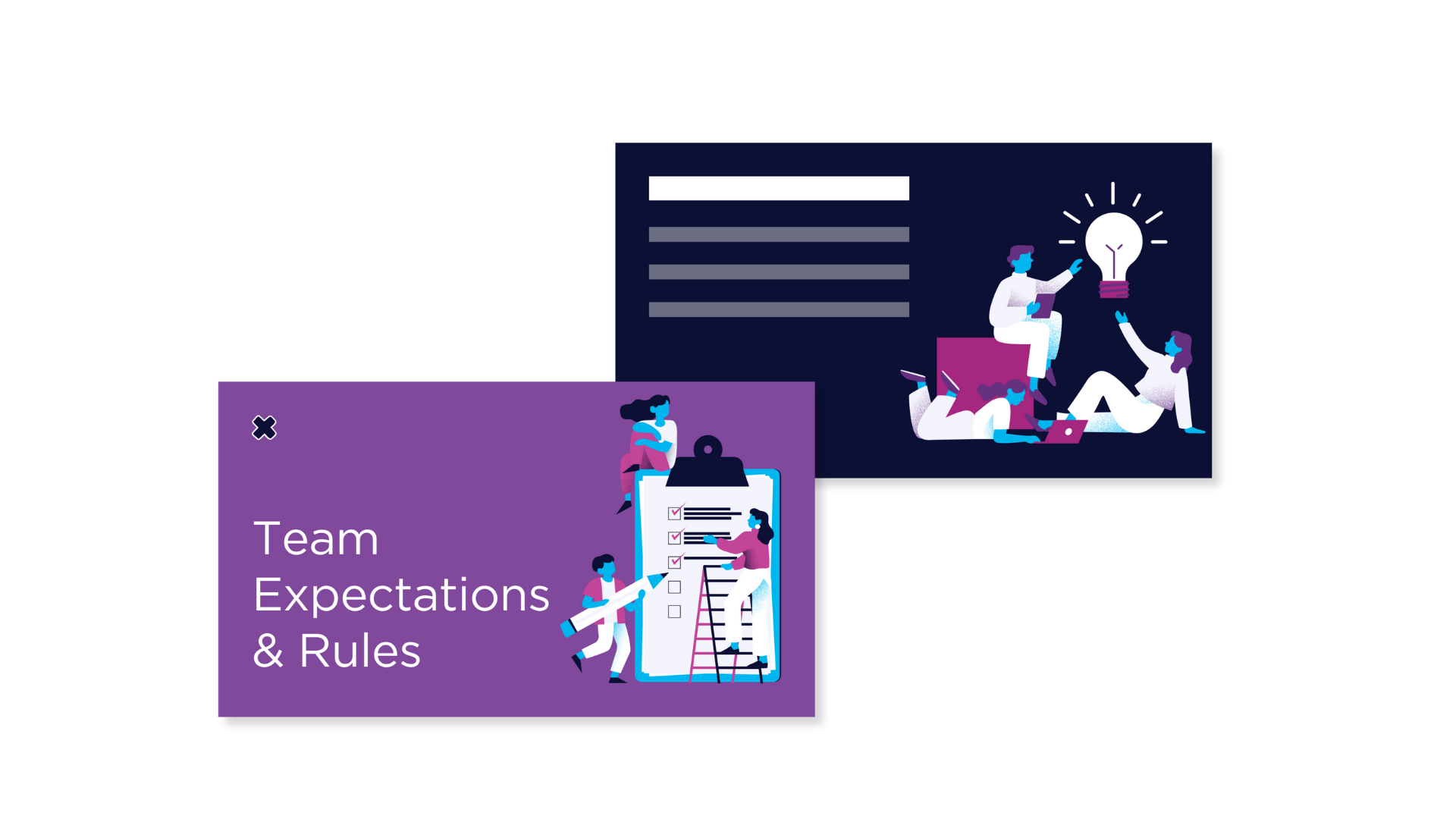
Let’s be honest: the “do more with less” mantra is wearing thin. People teams are expected to launch onboarding programs, support manager coaching, roll out rewards, drive engagement, and now—navigate the wild west of AI. But the resources haven’t kept up. There’s no extra designer to make your guides pop. No marketing partner to polish your messaging. Just a handful of people, stretched across dozens of priorities.
And here’s the real blocker: content. Every initiative needs it—fast, branded, and engaging. But when you’re buried in plain-text docs and last-minute emails, it’s hard to create anything that feels inspiring or on-brand. The result? Important programs get lost in the noise. Employees tune out. And your hard work doesn’t get the traction it deserves.
It’s not that People teams lack ideas or strategy. It’s that the execution gap—the ability to turn plans into compelling, actionable content—is wider than ever.
The Shift: From “More” to “Smarter”
Forward-thinking teams are flipping the script. Instead of asking, “How can we do more?” they’re asking, “How can we execute smarter?” The difference is subtle but powerful.
Take onboarding. The old approach: scramble to update a checklist, send a generic welcome email, and hope new hires feel connected. The smarter approach? Build a branded onboarding journey—complete with interactive guides, manager toolkits, and real-time feedback loops. Suddenly, new hires aren’t just checking boxes—they’re engaging, learning, and building relationships from day one.
Or consider manager coaching. In the past, People teams might send out a PDF playbook and call it a day. Now, they’re creating bite-sized video tips, branded one-pagers, and Slack-ready resources that managers can actually use—when and where they need them.
The shift isn’t about working harder. It’s about building repeatable, scalable content that looks and feels like your brand—without burning out your team.
The Smarter Way: Content That Scales (Without Extra Headcount)
So, what does smarter execution look like in practice? It starts with rethinking how content is created and delivered.
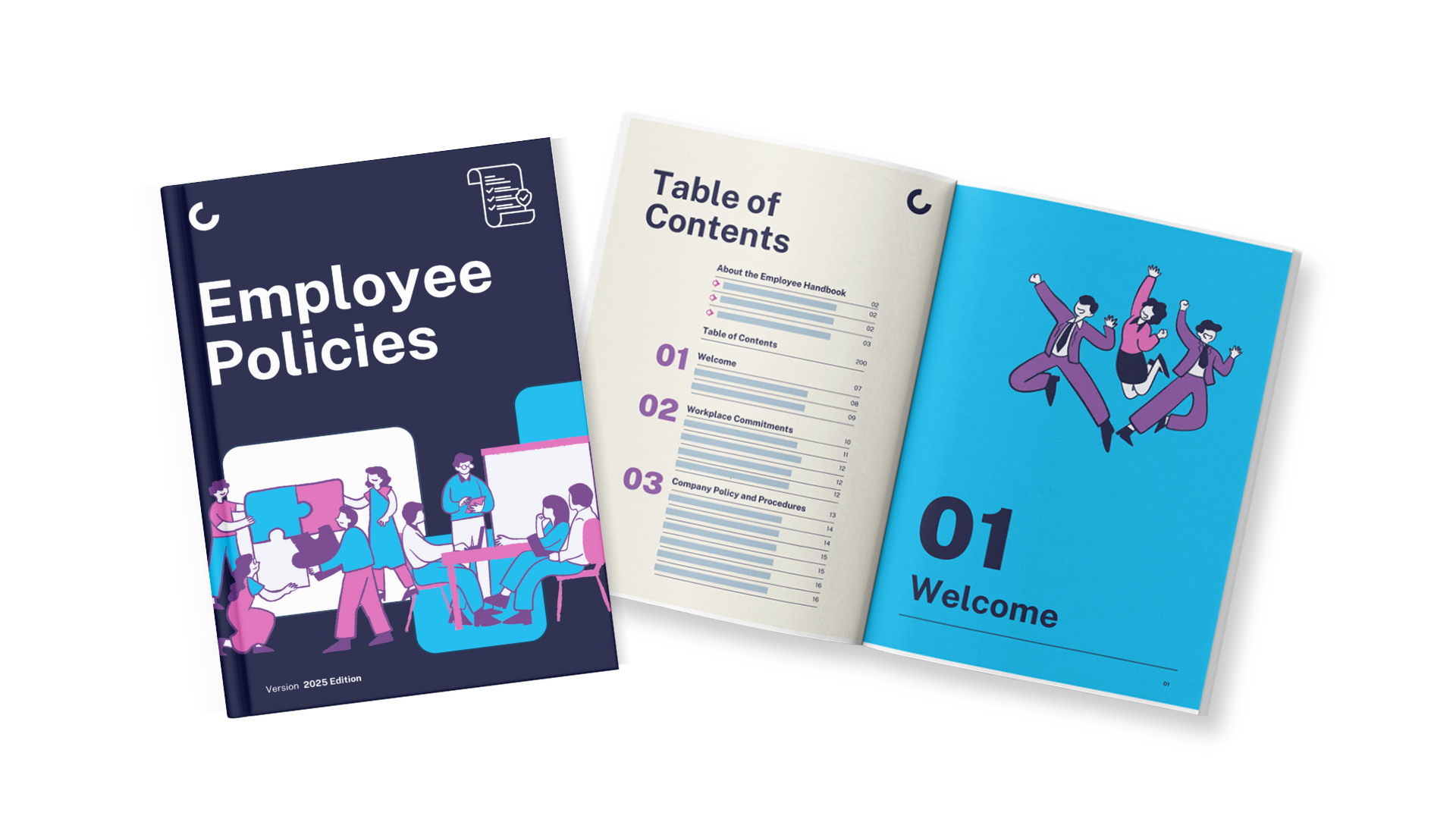
At ChangeEngine, we’ve seen teams transform their impact by building a “content engine” for HR. Instead of reinventing the wheel for every initiative, they create templates, workflows, and branded assets that can be reused and adapted. A beautifully designed FAQ for open enrollment becomes the blueprint for onboarding. A manager coaching guide gets repurposed for performance reviews. The result? Consistent, high-quality content—delivered faster, with less stress.
Take Twincrest, a mid-sized SaaS company we worked with last year. Their People team was drowning in requests: onboarding, DEIB initiatives, recognition programs, and more. Every project meant starting from scratch—new docs, new emails, new designs. The team felt like they were always behind.
By building a library of branded templates and leveraging automation, Twincrest flipped the script. Now, launching a new initiative is as simple as customizing a template, updating the messaging, and hitting send. The team spends less time formatting and more time focusing on what matters: driving engagement and supporting employees.
And it’s not just about speed. When content is on-brand and thoughtfully designed, it actually gets read. Employees pay attention. Managers feel supported. Programs land with impact.
The Impact: Time Saved, Engagement Gained, Burnout Reduced
The benefits of smarter execution go beyond just getting things done faster. When People teams have the right tools and templates, they reclaim hours each week—time that can be spent on strategy, not scrambling to format another email.
But the real impact is human. Employees notice when communications feel intentional and on-brand. They’re more likely to engage with onboarding, participate in recognition programs, and embrace change. Managers feel equipped, not overwhelmed. And People teams? They get to be proactive partners, not just reactive problem-solvers.
At Twincrest, employee engagement scores jumped after the team rolled out their new onboarding journey. Managers reported feeling more confident with the resources provided. And the People team finally had breathing room to tackle new initiatives—without sacrificing quality or burning out.
Closing: The Real Question for People Teams
If you’re feeling the strain of “do more with less,” you’re not alone. But the answer isn’t to work harder or accept burnout as the cost of impact. The real question is: How can you execute smarter, so your programs land and your team thrives?
The teams leading the way aren’t just keeping up—they’re building systems that scale, content that connects, and cultures that last. What would it look like if your HR content felt as powerful as your strategy?
If you’re ready to see what’s working across teams facing the same challenge, we’d be happy to share more. Because in the end, it’s not about doing more—it’s about making every initiative count.