.png)
The first shift at the plant is clocking in, safety goggles on, ready for the day. But while the machines are humming, there’s a quieter challenge in the background: how do you actually reach every employee—across shifts, sites, and languages—with the information that keeps them safe, engaged, and connected? One HR leader recently told us, “If I send an email, I have no idea if it’s read before someone’s on the floor. That’s not just frustrating—it’s risky.” In a world where frontline teams are rarely at a desk, traditional HR communication tools just don’t cut it. So what’s the smarter way forward?
The Problem: Old Tools, New Frustrations
Manufacturing HR teams have always faced unique hurdles. Unlike office environments, most employees aren’t checking email all day. Many don’t have company laptops or even a work email address. Communication often means printouts on bulletin boards, word of mouth, or hoping a supervisor passes along a message. The result? Critical updates—like safety protocols, shift changes, or benefits enrollment—get missed or misunderstood.
It’s not just about convenience. Missed messages can lead to safety incidents, compliance headaches, and disengaged teams. And when you’re managing multiple sites, languages, and rotating shifts, the complexity multiplies. HR teams end up spending hours customizing messages, chasing down confirmations, and still feeling unsure if their efforts are actually working.
The Shift: Forward-Thinking Teams Break the Mold
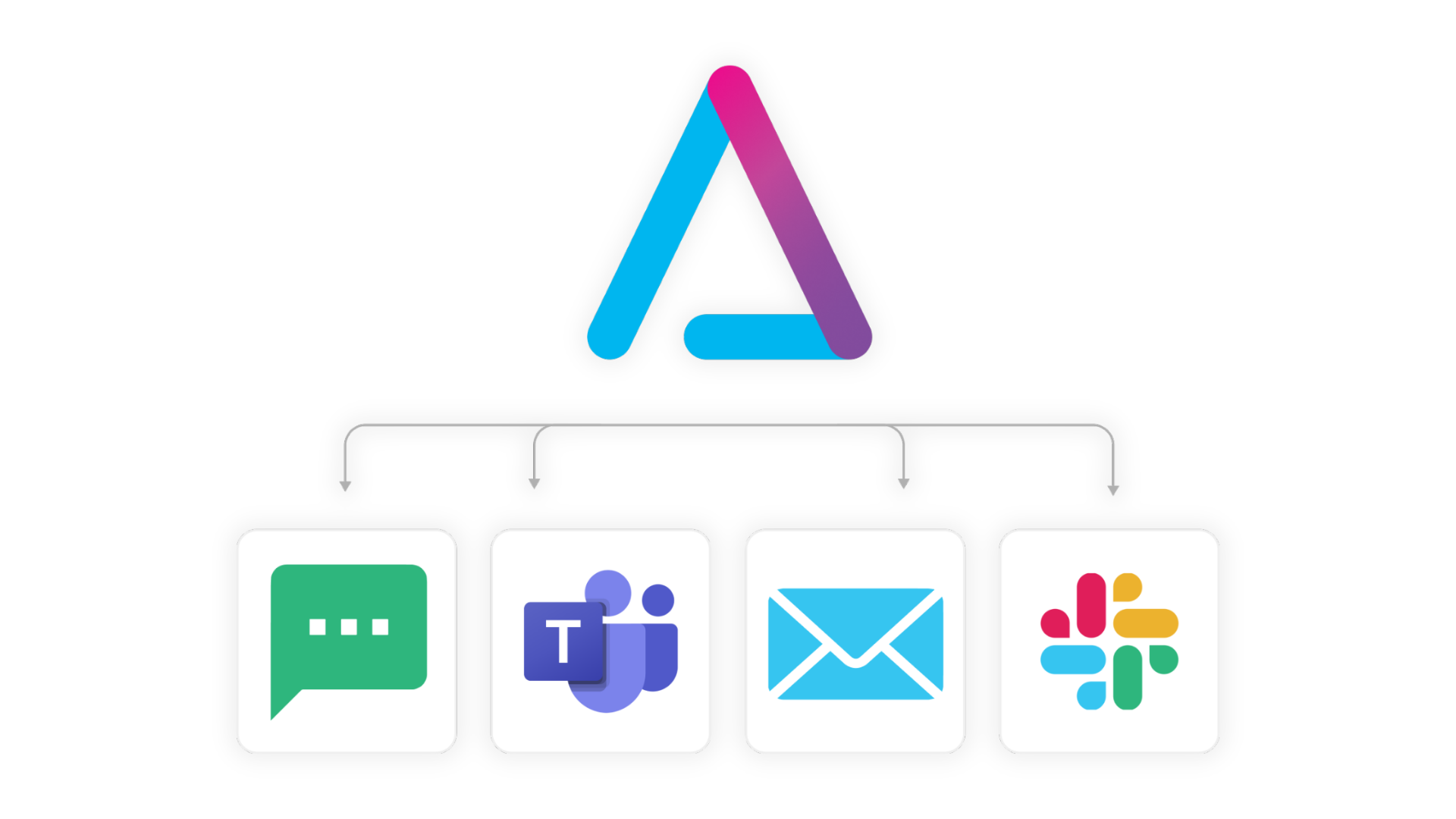
The best manufacturing HR teams aren’t just coping—they’re reimagining how communication works. They’re moving away from one-size-fits-all emails and static posters. Instead, they’re using tools that meet employees where they are: on the floor, on their phones, and on their own schedules.
We asked manufacturing HR leaders using ChangeEngine which features truly move the needle in their day-to-day work. Their answers reveal a new playbook—one that’s digital, data-driven, and designed for the realities of frontline work.
The Smarter Way: 5 Features That Change Everything
Let’s count down the top five features transforming manufacturing HR, based on real feedback from teams in the field.
- 5. Engagement Tracking: No More Guesswork
Imagine sending out a new safety policy and, within hours, knowing exactly who’s read it, who’s clicked the training link, and which site needs a follow-up. Engagement tracking makes this possible. Instead of hoping your message landed, you see opens, clicks, and completions—broken down by site, shift, or even communication channel. One HR manager told us, “We finally stopped chasing signatures on paper. Now, I can see in real time where the gaps are and follow up where it matters most.” It’s a shift from reactive to proactive, saving time and reducing risk. - 4. Multi-Site, Multi-Language Support: Reach Everyone, Every Time
When your workforce spans multiple locations and languages, “copy-paste” just doesn’t cut it. With multi-site, multi-language support, you can customize communications by location, language, or role—without rewriting the same message five different ways. This means every frontline employee, technician, and manager gets exactly what they need, in the language they understand. It’s not just about compliance; it’s about respect and inclusion. As one plant HR lead put it, “Our Spanish-speaking team members now get updates at the same time as everyone else. That’s huge for trust.” - 3. Shift-Based Scheduling: Timing Is Everything
In manufacturing, timing isn’t just important—it’s everything. Sending a message at 9 a.m. might work for the office, but it misses the first shift entirely and hits the third shift when they’re already home. Shift-based scheduling lets you pre-schedule communications to go out before first shift, after third, or at any time in between. The result? Messages land when employees are actually on-site and ready to engage. One HR coordinator shared, “We used to miss half our team with every announcement. Now, we hit every shift, every time.” - 2. Visual Content AI: Instant, Branded Materials—No Designer Needed
Need a safety poster, a quick one-pager for your plant manager, or a visual guide for new equipment? Visual Content AI can instantly generate branded, print-ready materials—from guides and FAQs to eye-catching visuals that look like they came from your marketing team. No more waiting days for design help or cobbling together Word docs. An HR specialist told us, “I made a safety campaign in an afternoon. It looked professional, and our team actually noticed it.” The ability to create high-quality materials on demand is a game-changer for both speed and impact. - 1. SMS Text Messaging: Meet Employees Where They Are
Here’s the reality: most manufacturing employees aren’t sitting at a desk, and many don’t check email regularly. That’s why SMS text messaging is the most-used feature among manufacturing HR teams. With SMS, you can send important updates directly to employees’ phones—whether it’s a shift change, urgent safety alert, or a reminder about open enrollment. It’s fast, direct, and actually gets seen. One HR director summed it up: “If it’s important, we text it. Our read rates went from 30% to over 90% overnight.”
The Impact: More Than Just Messages
The benefits of these features go far beyond convenience. HR teams report saving hours each week—time that used to be spent chasing down confirmations, translating messages, or manually scheduling announcements. More importantly, they’re seeing higher engagement, fewer missed updates, and a stronger sense of connection across sites and shifts.
For employees, the impact is just as real. They feel informed, included, and respected—no matter their role, language, or shift. Safety incidents drop. Compliance improves. And the culture shifts from “us vs. them” to “we’re all in this together.”
Closing: Rethinking What’s Possible
Manufacturing HR doesn’t have to mean chasing paper, missed messages, or feeling out of the loop. With the right tools, you can reach every employee, every time—building a safer, more connected, and more engaged workforce.
What could your team accomplish if communication just worked? If you’re ready to see what’s possible, reach out—we’re happy to share what we’ve learned from top manufacturing companies and their best practices, no strings attached. Because when every shift, site, and employee is in the loop, everyone wins.