How Smarter Internal Comms Can Save Manufacturers $40,000 Per Safety Incident

.png)
It started with a number that made everyone in the room sit up straight: $40,000. That’s what a single safety incident was costing one of our manufacturing clients—every time. The HR team had just been handed a mandate from leadership: “Fix the comms.” The expectation was clear, but the path forward? Not so much. No platform for getting the message out. No marketing help for design. No way to know if anyone even read the updates. And yet, the stakes couldn’t be higher.
If this sounds familiar, you’re not alone. Across manufacturing, HR teams are being asked to do more with less—especially when it comes to safety and compliance communications. But the old ways just aren’t cutting it anymore. So, what’s broken, and what does a smarter approach look like?
The Problem: Outdated Tools, Outmatched Teams
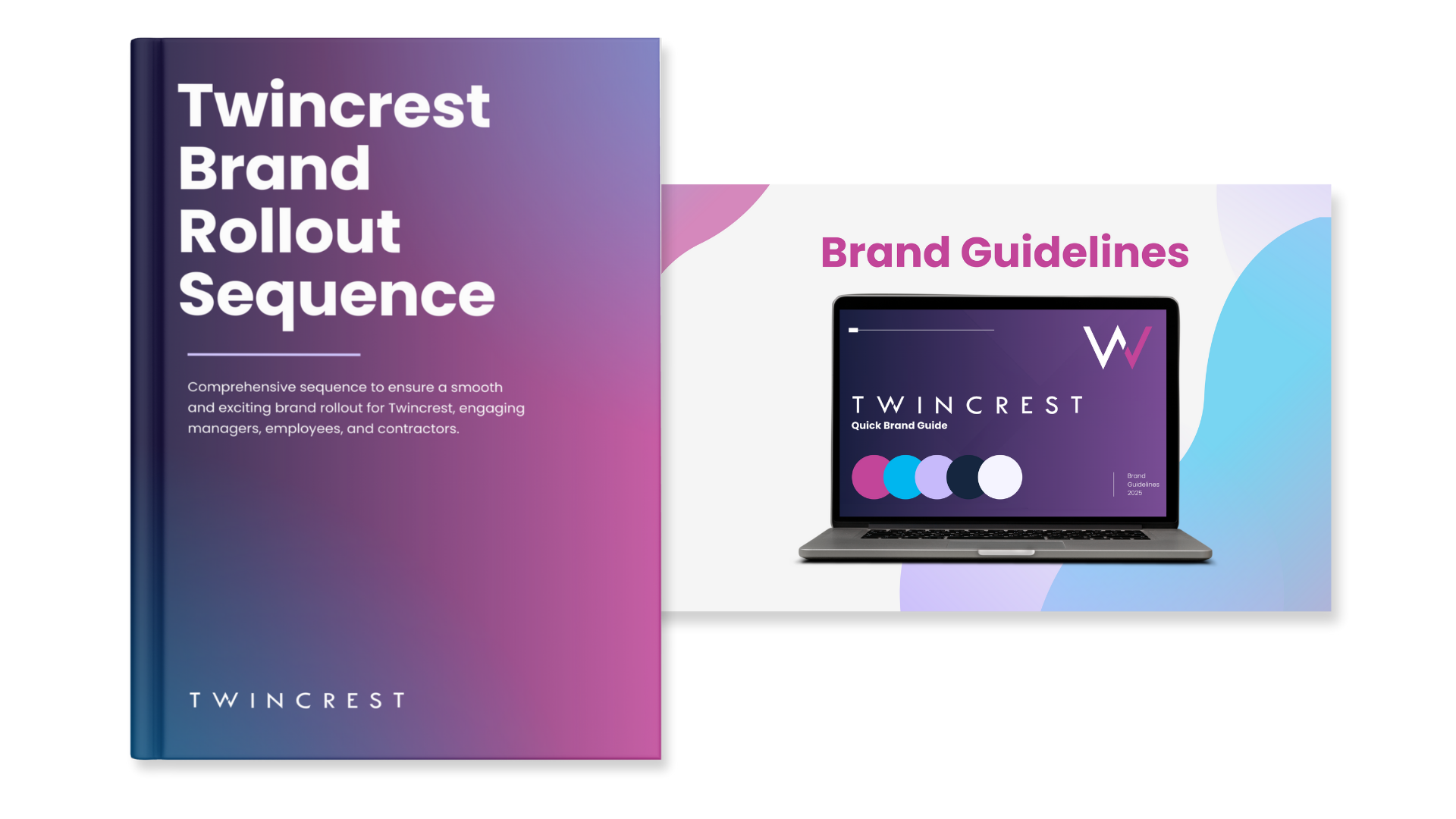
Let’s be honest: most manufacturing HR teams didn’t sign up to be internal marketers. Yet, every critical message—from onboarding to OSHA reminders, union negotiations to emergency protocols—lands squarely on their desks. And the tools? Word docs, email chains, and the hope that someone will notice a poster in the breakroom.
The problem isn’t just inconvenience. It’s risk. When safety updates get lost in the shuffle, or compliance reminders go unread, the consequences are measured in more than just missed memos—they’re measured in dollars, injuries, and even lives. Leadership wants results, but HR is left patching together solutions with whatever’s at hand.
And now, as if the stakes weren’t high enough, there’s pressure to make every message look on-brand, leverage AI, and track engagement—all without a dedicated comms team or modern platform.
The Shift: From Scrambling to Strategic
Forward-thinking manufacturing teams are waking up to a simple truth: internal communications aren’t just a “nice to have”—they’re a frontline defense against costly mistakes. The old approach—broadcasting messages and hoping for the best—just doesn’t work in a world where every safety incident can cost tens of thousands.
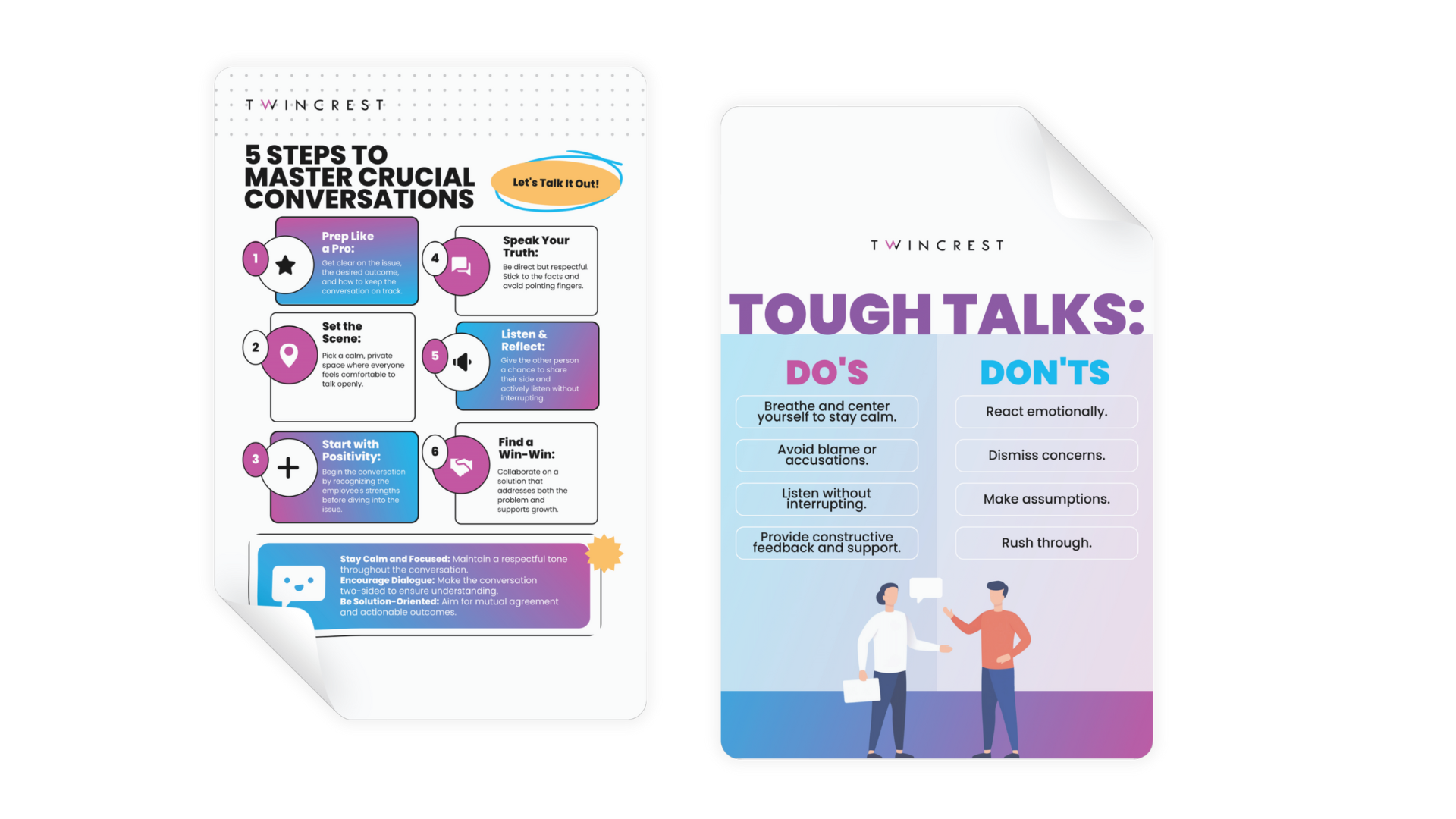
The shift is happening in three key ways. First, teams are moving away from fragmented tools and toward unified platforms that let them build, brand, and distribute messages everywhere their people are—email, SMS, Slack, even printed signage. Second, they’re treating internal comms with the same strategic rigor as external marketing: clear messaging, strong visuals, and data-driven follow-up. Third, they’re demanding real accountability: not just sending messages, but knowing who’s seen them, who’s acted, and where the gaps are.
The Smarter Way: Build Once, Send Everywhere, Track Everything
This is exactly why we built ChangeEngine. We saw too many HR teams scrambling after the fact—trying to contain the fallout from a missed safety update or compliance deadline. What if, instead, you could prevent the problem before it started?
With ChangeEngine, manufacturing teams can create a safety or HR message once—on-brand, visually engaging, and tailored to their workforce. Then, with a click, send it everywhere: email, SMS, Slack, and even print-ready signage for the shop floor. No more bouncing between five different tools or wondering if anyone saw the poster by the time clock.
But the real magic is in the tracking. ChangeEngine lets you see exactly who’s opened, read, or acknowledged each message. If someone misses a critical update, you know—and you can follow up. If a department is consistently lagging, you can dig in and fix the gap. And when leadership asks, “How do we know our people are getting the message?”—you have the data to answer with confidence.
Real-World Results: From Firefighting to Prevention
One of our manufacturing clients put it best: “We used to find out about safety issues after the fact. Now, we’re ahead of them.” Before ChangeEngine, their HR team was stuck in a reactive loop—sending out reminders, hoping they’d stick, and bracing for the next incident. After rolling out a unified comms platform, they saw a measurable drop in missed compliance deadlines and safety incidents. Engagement rates on critical messages jumped from under 30% to over 80%. And, most importantly, they could prove it.
Another client shared how ChangeEngine helped them standardize onboarding communications across multiple plants. Instead of reinventing the wheel for every new hire, they built a branded, multi-channel workflow that ensured every employee got the same clear, actionable information—no matter where they worked or what device they used.
The Impact: Dollars Saved, People Protected
The business case is clear. Every safety incident that’s prevented saves not just $40,000, but untold hours of investigation, paperwork, and lost productivity. Compliance deadlines aren’t missed. Onboarding is smoother. And HR isn’t stuck playing catch-up—they’re leading the charge.
But the human impact matters just as much. When employees know what’s expected, feel informed, and see that leadership is investing in their safety, engagement goes up. Trust grows. And the culture shifts from “just get it done” to “let’s do it right.”
The best part? HR teams get to spend less time chasing signatures and more time building programs that actually move the needle.
Closing: Ready to Rethink Internal Comms?
So, here’s the question: What would your team do with fewer fires to put out and more time to focus on what really matters? In manufacturing, the difference between scrambling after a $40,000 mistake and preventing one comes down to the systems you put in place. When internal comms are smart, strategic, and trackable, they become your frontline defense—not just another item on the HR to-do list.
Curious how other manufacturing teams are making their safety and HR content impossible to ignore? We’d love to show you what’s possible. Because when you have the right tools, you don’t just fix the comms—you change the game.