.png)
By integrating AI-powered systems into the everboarding process, organizations can create a seamless and adaptive learning environment that evolves with both the employee’s career and the company’s strategic goals. While traditional employee onboarding focuses on introducing new hires to the organization, everboarding emphasizes continuous learning and integration throughout the employee lifecycle. This approach not only supports knowledge retention but also empowers employees to acquire new skills continuously, ensuring that the workforce remains agile and competitive in a rapidly changing business landscape.
Additionally, AI-driven everboarding facilitates the monitoring of employee progress through data-driven insights, enabling HR leaders to tailor training sessions and development opportunities effectively. AI can help leverage existing data (including HR data) to personalize learning experiences and accurately track employee development. This level of customization helps in addressing individual learning needs while fostering a strong company culture that scales across diverse teams and locations.
AI-powered everboarding also streamlines HR workflows by automating routine tasks such as benefits administration and data entry, freeing HR professionals to focus on strategic initiatives that support employee engagement and business growth. Despite increased automation, human resources remain essential for maintaining the human element, building relationships, and fostering workplace culture. Ultimately, this innovative approach to employee everboarding and development operationalizes culture at scale, creating a unified and motivated workforce ready to meet future challenges.
Key Takeaways
- AI-powered everboarding transforms employee development into a continuous learning process, prioritizing personal growth and engagement throughout an employee’s career.
- Integrating AI into everboarding processes enhances cultural alignment and personalized engagement, fostering a cohesive company culture and improving employee satisfaction and retention.
- Successful implementation of AI in everboarding requires careful planning, including selecting suitable tools, assessing current practices, and maintaining a balance between automation and human interaction to ensure a positive experience for each new hire during their transition.
Defining Everboarding
Everboarding is more than just a buzzword; it’s a strategic initiative focused on continuous employee development. Everboarding, unlike traditional onboarding, is an ongoing process offering employees continuous opportunities to expand their skill sets and stay ahead of industry trends. While employee onboarding is typically a one-time event designed to introduce new hires to the company, everboarding emphasizes a continuous approach - which can be enhaced with AI-driven tools - that support ongoing learning and integration. This perpetual cycle of learning, adapting, and evolving ensures employees remain equipped with the skills necessary to thrive in their roles.
Everboarding primarily focuses on providing ongoing training and development opportunities that enhance employees’ skills and contribute to their growth. Whether it’s through coaching, workshops, or online courses, everboarding helps employees stay competitive and engaged, ultimately benefiting both the individual and the organization.
The Role of AI in Everboarding
Artificial intelligence revolutionizes the everboarding process by creating dynamic learning experiences tailored to each employee’s needs. AI can generate:
- Personalized quizzes
- Video captions
- Simulations
- Role-play scenarios
These outputs are created by leveraging existing data from employee records and previous training interactions.
This ensures that the high quality training is engaging and relevant. This level of personalization helps address individual skill gaps and provides employees with the specific knowledge they need to succeed.
AI streamlines content creation and training by:
- Adapting training materials to each learner’s progress, enhancing the efficiency and effectiveness of the everboarding process.
- Analyzing employee interactions during training to offer improvement suggestions.
- Tailoring development plans to each employee’s unique needs.
This data-driven approach enhances the overall learning experience and keeps employee experience motivated and engaged through effective performance management system.
Operationalizing Company Culture at Scale with AI
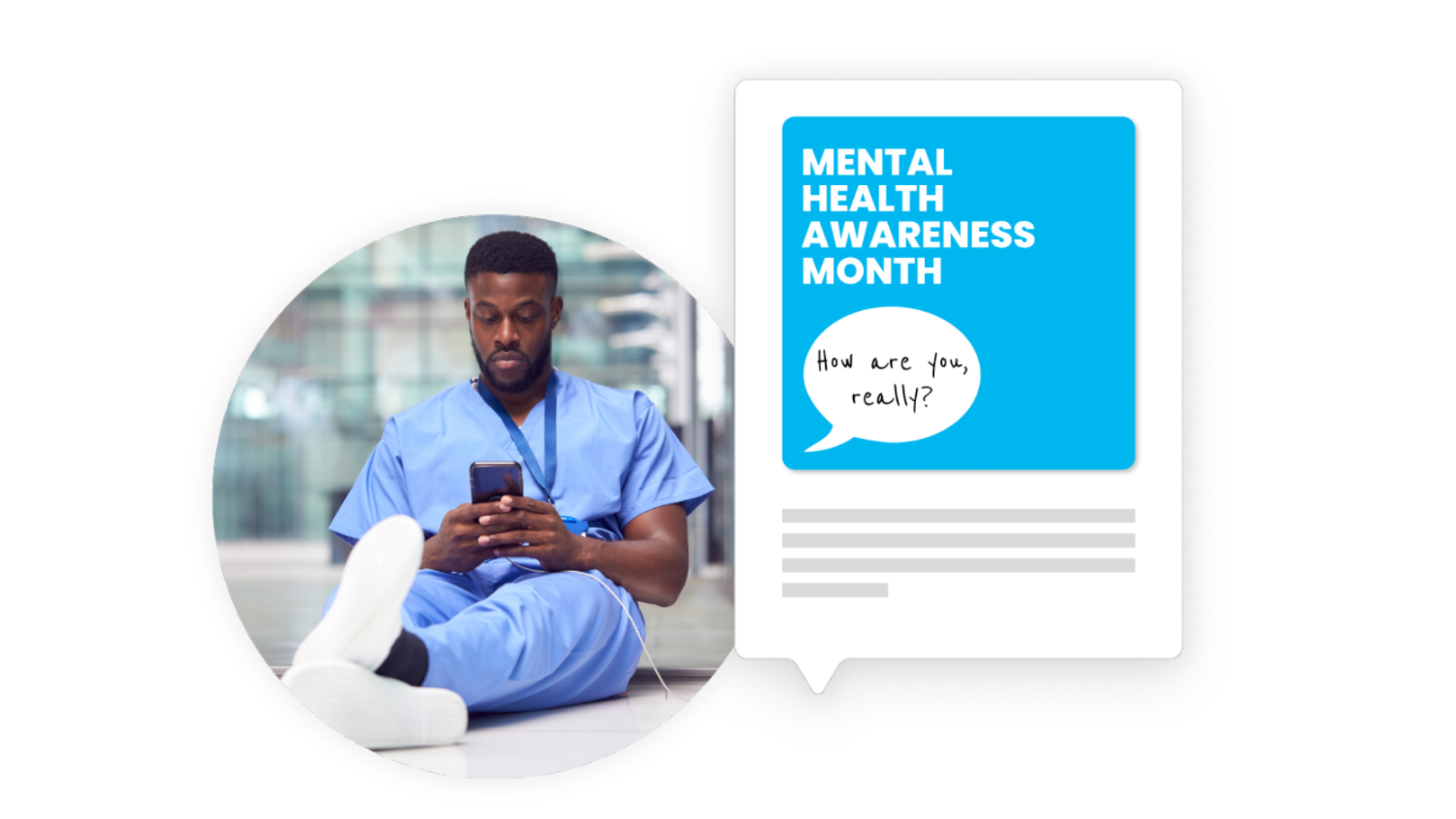
Integrating AI into the everboarding process is not just about improving efficiency; it’s also about scaling and maintaining a cohesive company culture. Many companies have successfully leveraged AI tools to enhance their training and cultural integration efforts, resulting in increased employee satisfaction and retention.
AI tools enhance the training experience by making it more personalized and aligned with company values. In modern employee onboarding, AI supports a smooth transition for new hires by providing ongoing learning opportunities and tailored support, ensuring each new employee and sales team member is well-trained and deeply connected to the company’s culture from day one.
We will explore how AI-driven cultural alignment and personalized employee engagement, along with the automation and simplification of HR processes, can help operationalize company culture at scale.
AI-Driven Cultural Alignment
One of the key advantages of AI in everboarding is its ability to standardize the everboarding experience, ensuring that all new employees receive uniform cultural messaging regardless of their location. AI tools offer the following benefits:
- Analyze employee feedback and adjust everboarding materials in real-time to better align with the company’s cultural values.
- Help identify cultural discrepancies early.
- Address cultural discrepancies before they escalate.
AI-driven sentiment analysis enables organizations to measure and strengthen workplace culture more effectively than traditional methods. By leveraging data-driven insights, companies can make informed, data driven decisions that enhance cultural alignment and foster a more cohesive work environment.
Personalized Employee Engagement
AI tailors engagement strategies to individual employee preferences, improving their connection to the company’s culture and values. This approach caters to different generational preferences within the workforce, ensuring everyone feels valued and engaged. AI-powered tools also support team members by providing realistic practice environments, helping them build stronger workplace relationships and practice real-world skills.
AI insights help HR teams identify skill gaps and leverage actionable insights to enhance talent development. Customized engagement strategies foster a cohesive company culture by addressing unique employee preferences, leading to higher satisfaction and retention.
The Role of HR Professionals in AI-Powered Everboarding
HR professionals are at the heart of successful AI-powered everboarding initiatives. By leveraging advanced hr automation software and tools, they can design and implement personalized learning paths that address the unique strengths and development needs of each employee. This not only streamlines the onboarding process but also reduces the need for manual intervention, allowing HR teams to focus on high-impact activities that foster employee engagement and retention.
With the support of hr automation, HR professionals can efficiently manage routine tasks while dedicating more time to creating meaningful development opportunities. Their expertise ensures that AI-powered everboarding systems are aligned with the company’s culture and values, providing ongoing support that helps employees grow and adapt. By championing these initiatives, HR professionals play a pivotal role in building a workforce that is engaged, adaptable, and committed to the organization’s long term success.
Key Benefits of AI in Everboarding
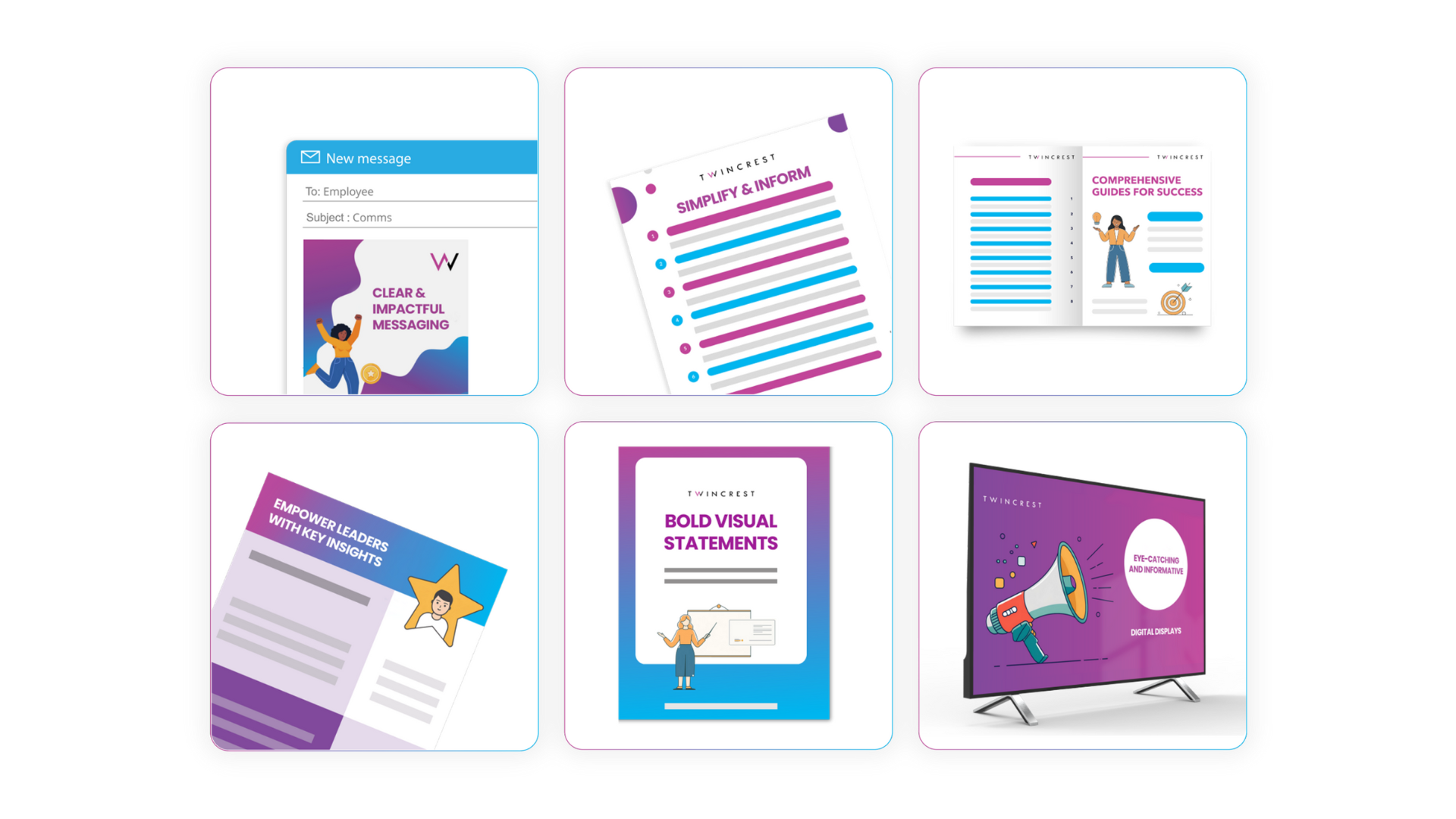
The integration of AI in everboarding offers numerous benefits, from enhanced personalization to improved efficiency and data-driven insights. AI tools also enable organizations to track progress in employee development and operational performance, providing real-time monitoring and analytics for continuous improvement. These advantages not only streamline the everboarding process but also create a more engaging and productive work environment.
Organizations adopting AI-powered everboarding experience significant increases in productivity and profitability compared to traditional methods. We will explore the key benefits of AI in everboarding, focusing on enhanced personalization, improved efficiency, and data-driven insights.
Enhanced Personalization
Everboarding creates a tailored development path, aligning learning experiences with individual employee needs through customized learning paths. A tech company, for example, implemented an AI-driven training system that personalizes learning based on individual skill levels, resulting in improved performance metrics. This kind of personalized training encourages a culture of ongoing learning where employee growth is prioritized. AI systems can also track employee progress, allowing organizations to further tailor learning experiences and measure improvement over time.
Generative AI in training content creation offers the following benefits:
- Quickly produces personalized training content, catering to diverse learning styles and needs.
- Automates the creation of diverse training materials, such as tutorials and assessments.
- Enhances the efficiency and relevance of learning programs.
Improved Efficiency
AI automates time-consuming routine tasks, allowing HR professionals to focus on strategic initiatives. Automated HR tasks commonly include data entry, processing time-off requests, and applicant tracking. Additionally, managing payroll processing is also part of these tasks. Automated workflows streamline repetitive HR processes such as onboarding, payroll, and employee data management, improving overall efficiency by reducing manual effort and saving time. For instance, a manufacturing firm achieved an 80% automation rate in its everboarding process, reducing everboarding time from three hours to just 17 minutes, although some tasks may still require manual intervention.
Increased efficiency through AI enhances the overall productivity of HR departments by:
- Automating workflows to streamline repetitive tasks
- Freeing time for more meaningful face-to-face interactions
- Allowing more focus on strategic planning
Data-Driven Insights
AI tools offer the following capabilities in employee management:
- Continuously assess and track employee skills, offering insights into their development progress; performance management systems serve as comprehensive platforms that facilitate this tracking.
- Use predictive analytics to identify the most effective engagement strategies for different employee segments.
- Enable organizations to anticipate employee performance trends and engagement levels.
- Lead to more effective everboarding strategies.
Enhanced AI analytics allow companies to assess learning effectiveness, linking it directly to employee performance and engagement metrics. Accurate and centralized HR data is essential for generating actionable insights from these analytics. Future advancements in AI analytics will offer even more detailed insights, enhancing decision-making and strategic planning.
Data Security and Privacy in AI Everboarding
As organizations adopt AI-powered everboarding systems, safeguarding employee data becomes a top priority. HR professionals must collaborate closely with IT teams to implement robust security protocols, such as encryption and strict access controls, to protect sensitive employee data from unauthorized access or breaches. Ensuring compliance with data protection regulations like GDPR and CCPA is essential, as is maintaining transparency with employees about how their data is collected, used, and protected.
By prioritizing data security and privacy, HR professionals not only protect the organization from potential risks but also reinforce a culture of trust and integrity. This commitment to safeguarding employee data strengthens the company culture and reassures employees that their personal information is handled responsibly within the ai powered everboarding framework.
Balancing Efficiency with the Human Touch
While AI-powered everboarding systems excel at automating routine tasks and streamlining the onboarding process, it’s crucial not to lose sight of the human element. HR professionals must ensure that these systems are designed to deliver personalized support and meaningful feedback, rather than simply replacing human interaction. This approach helps new hires feel welcomed, valued, and supported as they transition into their roles.
HR professionals play a vital role in providing guidance, answering questions, and offering constructive feedback throughout the onboarding process. By balancing the efficiency of AI-powered solutions with genuine human connection, organizations can create a positive onboarding experience that sets new hires up for long term success and fosters a culture of continuous learning and support.
Implementing AI-Powered Everboarding
Successfully implementing AI in the everboarding process requires careful planning and a phased approach. The first step is to assess current everboarding processes and identify areas where AI can improve efficiency and effectiveness. A dedicated support team can assist with implementation, provide ongoing support, and offer expert guidance tailored to your organization's needs. Building AI literacy within the team is also crucial before diving into AI adoption.
Choosing the right AI tools and running pilot programs can help refine AI implementations and ensure their effectiveness before scaling up. It is important to include frontline workers in training initiatives and feedback loops to maximize the impact of digital performance management tools and connected worker solutions. We will explore these steps in more detail.
Continuous AI-driven everboarding ensures that your workforce remains adaptable in a rapidly changing business environment.
Assess Current Everboarding Processes
Evaluating existing everboarding practices helps pinpoint where AI can enhance efficiency and effectiveness. This involves analyzing current processes, including a thorough evaluation of existing HR processes, to identify opportunities for AI-driven improvements, identifying skill gaps, and understanding how AI can create tailored training programs to address these gaps.
Integrating AI in everboarding processes leads to more personalized and effective employee training, ultimately improving the overall everboarding experience.
Choose the Right AI Tools
Choosing the right AI tools is critical for successful implementation. Here are some HR automation tools and their features:
- UKG Bryte AI Agents: offer personalized recommendations
- ADP Workforce Now: automates payroll processes
- Leapsome: provides a range of HR automation tools tailored for growing teams
- Rippling: integrates HR, IT, and finance operations seamlessly
- ChangeEngine: leverages AI to optimize employee engagement and automate HR workflows
Identifying how the chosen AI tools support business goals and align with the company’s culture is crucial. This ensures that the tools not only enhance efficiency but also contribute to a cohesive work environment. Additionally, maintaining compliance with legal and company standards is essential when selecting and implementing AI tools.
Pilot Programs and Feedback Loops
Implementing pilot programs allows organizations to gather insights and refine AI systems before wider deployment. These programs help identify potential challenges and benefits early in the implementation process
Best Practices for AI-Powered Everboarding
To maximize the benefits of AI-powered everboarding, organizations should adopt a set of best practices that ensure both efficiency and effectiveness. HR professionals should provide high quality training materials tailored to diverse learning needs and regularly monitor progress to track employee development. Gathering feedback from employees is essential for refining training programs and enhancing employee engagement.
Integrating AI-powered everboarding systems with existing HR workflows—such as payroll processing and benefits administration—creates a seamless onboarding experience for frontline employees and the broader workforce. Piloting new programs with a select group before organization-wide rollout allows HR teams to identify and address any challenges early. By following these best practices, organizations can drive business growth, improve employee engagement, and deliver high quality training that supports the ongoing development of their teams.
The Future of Everboarding: Trends and Predictions
Looking ahead, the future of everboarding will be shaped by rapid advancements in artificial intelligence, machine learning, and data analytics. As AI-powered everboarding systems become more sophisticated, organizations will need to ensure these tools are used to support employee development and knowledge retention, rather than simply automating routine tasks. Emphasizing data driven insights will enable HR professionals to make informed decisions, optimize onboarding processes, and address skill gaps more effectively.
Staying ahead of industry trends will require HR professionals to remain vigilant about the fairness, transparency, and ethical use of ai systems. It’s essential to ensure that these technologies do not inadvertently widen skill gaps or hinder knowledge retention. By embracing innovation while maintaining a focus on employee development and business growth, organizations can build everboarding systems that drive long term success and empower employees to thrive in an ever-evolving workplace.