.png)
Frontline employees are the foundation of organizational success. These individuals serve as the primary touchpoint between a company and its customers, manage critical on-site operations, and uphold brand reputation in real time. Despite their essential role, frontline teams have often been overlooked in internal communication strategies, resulting in disengagement, inefficiencies, and missed opportunities for growth. Effective frontline employee communication is a proven driver of engagement, productivity, and business outcomes.
This guide delivers a comprehensive exploration of frontline employee communication—defining its scope, demonstrating its value, and providing actionable strategies for building robust, scalable communication frameworks. Whether operating in retail, healthcare, manufacturing, logistics, hospitality, or any sector with distributed, non-desk-based staff, organizations will find practical steps, research-backed insights, and real-world examples to elevate internal communication and empower frontline teams.
Defining Frontline Employee Communication
Frontline employee communication refers to the structured, intentional flow of information between an organization and its frontline workforce. This group includes employees who interact directly with customers, work beyond the boundaries of traditional offices, and carry out essential duties on-site or in the field. Their roles range from retail associates and healthcare professionals to delivery drivers, warehouse operators, technicians, hospitality workers, and more.
Distinctive Characteristics of Frontline Communication
Unlike conventional internal communication—which often relies on email, meetings, and intranet access—frontline communication must accommodate a set of unique characteristics. Mobility plays a central role. Frontline employees are often on the move, working in multiple locations and frequently lacking access to desktop computers or even corporate email. According to Emergence Capital, 80% of the global workforce—around 2.7 billion individuals—are deskless, underscoring the scale of this challenge.
Decentralization is another key differentiator. Frontline teams are dispersed across numerous sites, time zones, and rotating shifts, making real-time or synchronous communication difficult to coordinate. Furthermore, these teams tend to be highly diverse, comprising individuals of different language backgrounds, literacy levels, and generational cohorts. Inclusive, multi-format communication strategies are critical to ensuring every employee can access and understand essential updates. Finally, these workers typically operate without dedicated workstations, relying instead on shared terminals, printed materials, or their own mobile devices to receive information.
Core Challenges in Frontline Communication
The challenges facing frontline communication are as complex as they are urgent. Chief among them is limited access to technology. Many frontline workers operate without a corporate email address or entry to centralized intranet systems. Staffbase research reveals that 83% of frontline employees fall into this category, creating a significant barrier to traditional forms of internal communication.
Compounding the issue are variable schedules and shift work. Rotating hours make it difficult to ensure that all team members receive messages at the same time, heightening the risk of missed updates or delayed responses. Information overload also looms large. In fast-paced environments, critical announcements—such as policy changes or safety advisories—can easily be drowned out by a flood of operational details and routine updates.
Language and literacy barriers further complicate communication. Multilingual teams require translated, accessible content to ensure clarity and understanding. Without thoughtful design, messages may fail to connect with large segments of the workforce. This lack of access and understanding often contributes to a broader sense of disconnection from leadership. Without regular, meaningful interaction with decision-makers or corporate headquarters, frontline employees may feel ignored, leading to disengagement and low morale.
Security and compliance concerns are especially pressing in highly regulated industries. When organizations use ad hoc or unsecured communication tools, they risk data breaches and potential violations of industry regulations. Ensuring secure, auditable communication channels is not only a best practice—it’s a necessity.

The Importance of Frontline Employee Communication
Effective communication is fundamental to driving employee engagement and reducing turnover. Gallup’s research highlights that highly engaged business units enjoy 21% greater profitability and experience 59% less turnover than their disengaged counterparts. This is particularly significant in frontline-heavy industries like retail or hospitality, where annual turnover can exceed 60%. Even marginal gains in engagement can lead to meaningful reductions in hiring costs and improved operational continuity.
Moreover, aligning frontline teams with organizational goals enhances both performance and brand consistency. These employees deliver on strategic objectives at the point of customer contact. When they are kept informed about business initiatives, safety requirements, product launches, and customer service expectations, they are better positioned to deliver accurate, timely, and high-quality service. Strong communication also reduces costly errors and ensures compliance across locations.
Customer experience is equally dependent on effective frontline communication. PwC reports that 73% of consumers say customer experience plays a key role in their purchasing decisions. Informed frontline staff can more readily solve problems, guide customers, and represent brand values—ultimately strengthening loyalty and satisfaction.
Industry Examples of Impactful Frontline Communication
In the retail sector, a global chain implemented a mobile-first communication platform to unify training, updates, and feedback. This shift led to a 25% decrease in employee turnover, a 30% boost in training completion, and improved Net Promoter Scores (NPS), demonstrating the tangible business impact of streamlined communication.
In healthcare, a hospital system introduced secure messaging tools for shift transitions and urgent updates. This led to a 40% drop in communication-related errors and a 15% improvement in patient satisfaction—crucial outcomes in a high-stakes environment.
Meanwhile, a manufacturing company launched digital signage and real-time mobile alerts to deliver safety communications. The initiative led to an 18% reduction in workplace incidents and stronger audit results across facilities.
Building an Internal Communication Strategy for Frontline Teams
The first step in crafting an effective strategy is to define clear goals and objectives. Organizations typically seek to enhance employee engagement, reduce absenteeism and turnover, improve the customer experience, and ensure safety and operational compliance. In emergency or time-sensitive situations, the objective may be to accelerate the delivery of critical information. These outcomes should be tied to measurable business KPIs—such as turnover rates, engagement scores, or satisfaction metrics—to ensure accountability and ongoing evaluation.
Understanding frontline needs is essential. Through surveys, focus groups, and interviews, leaders can uncover how frontline workers currently access information, which formats resonate most (e.g., video, text, signage), and what content is most necessary for job performance. They can also identify pain points that hinder communication, such as delays, lack of clarity, or information gaps. Pulse surveys and mobile feedback tools can keep these insights fresh over time.
Once the baseline is established, segmenting the workforce becomes crucial. Frontline teams are rarely homogenous. By dividing them according to location, language, role, and shift, organizations can tailor communication to maximize impact. A sales associate may require updates about promotions, while a maintenance technician needs compliance alerts. Similarly, messages for overnight workers should be timed differently than those sent to day-shift teams.
The content itself must be compelling and clear. Effective messages are brief, relevant, and actionable. They use straightforward language and are visually engaging when possible. Storytelling and real-life scenarios can also help make messages stick and create emotional resonance.
Choosing the right communication channels depends on frontline routines and technology access. Mobile apps, SMS, digital signage, and mobile intranets all play a role. For critical messages, redundancy across channels ensures that no employee is left out due to device limitations or access issues.
As with any strategy, implementation should be iterative. Pilot programs can help identify what works and what doesn’t. These initiatives should be evaluated regularly, using feedback and analytics to refine the approach and adapt to changing workforce needs.
Tools and Technologies for Frontline Communication
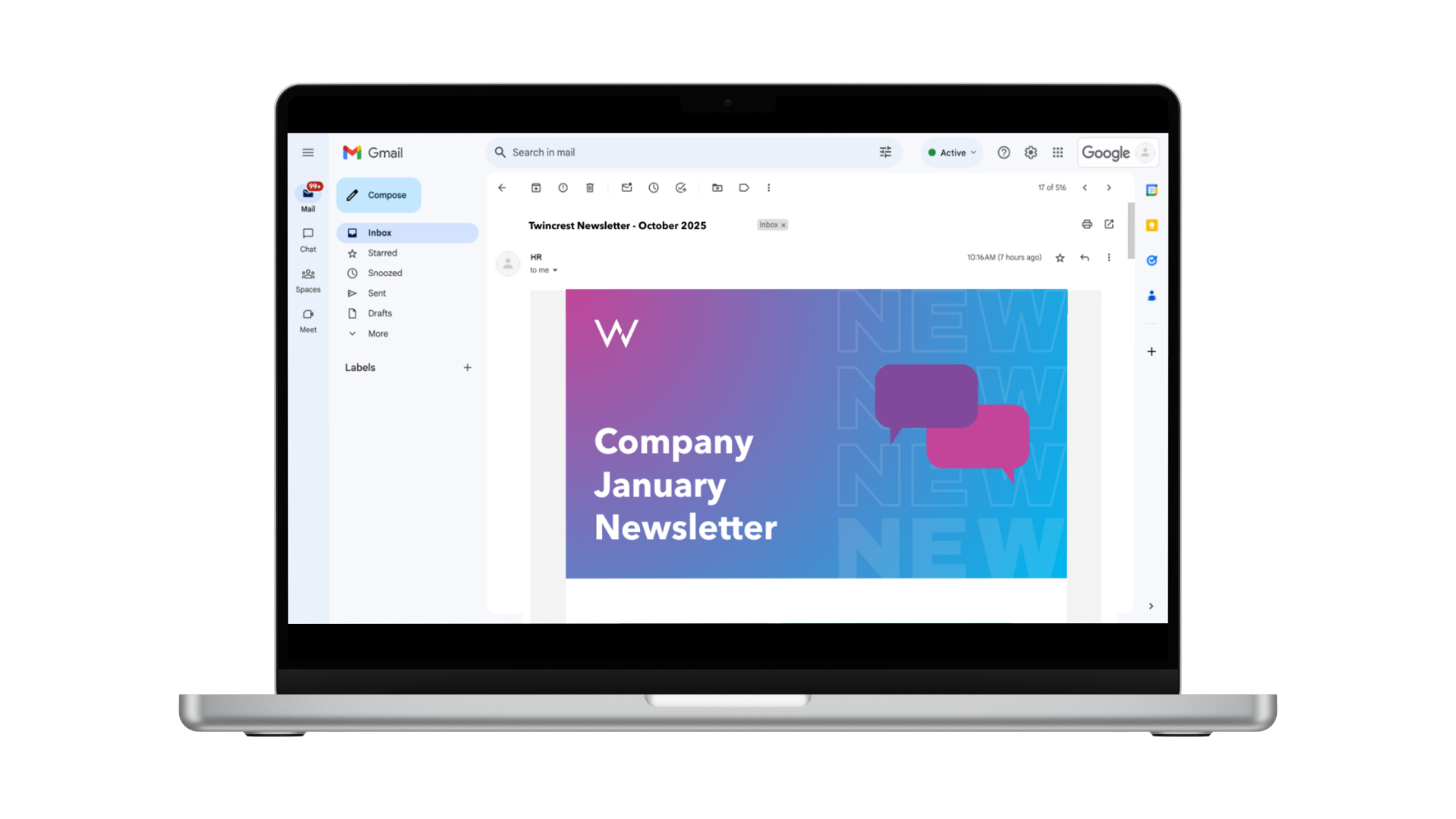
Organizations today have access to a diverse suite of communication tools built specifically for frontline needs. Mobile apps like Beekeeper, Staffbase, and Workplace from Meta allow organizations to push announcements, training, and shift updates directly to employees' phones in real time. SMS remains a trusted channel for urgent outreach—its open rates surpass 90%, making it particularly effective in environments with low or inconsistent internet access.
Digital signage in break rooms or factory floors can deliver visual updates and safety reminders at a glance. Mobile-friendly intranets serve as centralized hubs for documentation, recognition, and resources, accessible from any personal or shared device. Collaboration platforms like Slack, Microsoft Teams, or WhatsApp enable team chats, document sharing, and group coordination, with the added benefit of mobile support.
Voice-based tools like walkie-talkie apps or automated phone calls can be invaluable in contexts with low literacy or limited digital access, offering yet another way to ensure message delivery.
The Role of Digital Transformation
Digital transformation isn’t just a trend—it’s a fundamental enabler of effective frontline communication. The widespread use of smartphones has opened new possibilities for two-way, personalized, and scalable messaging. Automation can simplify repetitive updates and workflows, while analytics offer insights into what’s working and what isn’t.
According to Deloitte, companies with advanced digital communication capabilities are 2.5 times more likely to report strong improvements in engagement and operational performance. For frontline teams, these capabilities are the difference between being informed participants and disengaged bystanders.
Best Practices for Selecting and Implementing Communication Tools
When selecting tools, user-centric design is paramount. Interfaces should be intuitive, requiring minimal training. Involving frontline workers in the selection and testing process ensures the tools meet actual, not assumed, needs.
Accessibility is non-negotiable. Platforms must work across different devices, offer multilingual support, and accommodate employees with disabilities. Security and compliance are equally critical. Communication tools must feature strong encryption, access controls, and be certified for regulatory standards—particularly in industries like healthcare or finance.
Analytics are essential for tracking usage, delivery rates, and employee engagement. Additionally, seamless integration with HR systems, scheduling software, and learning platforms streamlines communication and operational processes.
Finally, organizations must prioritize change management. Launching a new tool requires more than just a download link. Onboarding sessions, toolkits, and continued support are crucial for long-term adoption and success.
Strategies for Effective Frontline Communication
Crafting effective messages for frontline employees begins with clarity and conciseness. These workers often have only brief moments to absorb information, so messages must get to the point quickly and avoid jargon. Beyond brevity, relevance is essential. Content should be directly tied to employees’ specific roles, shifts, and locations. For example, safety protocols for warehouse staff should differ from promotional guidance given to retail associates. Segmenting audiences ensures that communications are not only timely but tailored to the actual needs of recipients.
Visual content plays a vital role in enhancing comprehension. Images, videos, infographics, and icons can convey complex information more quickly and clearly than text alone. In fact, research suggests that visual messages are processed up to 60,000 times faster than written words. Using consistent visual language also reinforces brand identity and values across the workforce.
Maintaining a consistent tone across all communications helps build trust and align employees with organizational culture. Messages should reflect company values and reinforce a sense of purpose and community, especially in fast-paced or high-stress environments.
Enabling Two-Way Communication and Feedback
Communication is most effective when it’s reciprocal. Organizations should implement regular pulse surveys to measure sentiment and gather feedback. These brief, recurring check-ins allow leaders to stay attuned to frontline concerns and adjust accordingly. In parallel, digital suggestion boxes provide an always-on channel for employees to raise ideas, report issues, or ask questions, without needing a formal meeting or direct access to management.
In-person or virtual town halls offer another powerful method for dialogue. These sessions create space for open Q&A between frontline employees and leadership, breaking down hierarchical barriers and promoting transparency. Peer-to-peer feedback and public recognition programs also help nurture a culture of appreciation. By celebrating achievements and highlighting success stories, organizations foster morale and reinforce positive behaviors.
Overcoming Common Barriers
To overcome language and literacy challenges, organizations must go beyond translation alone. Communications should be written in simple, accessible language and supported by visual elements. In some cases, audio or video formats can help ensure comprehension among employees with limited literacy or reading comfort.
Information overload can be addressed through prioritization and thoughtful scheduling. Critical messages should be pushed through immediate channels like SMS or app alerts, while routine updates might be compiled into weekly digests or posted on digital signage. This approach prevents message fatigue while ensuring that urgent content is not overlooked.
Building trust requires open, transparent communication—especially during times of change. Employees appreciate honesty and clarity, even when the news is difficult. When feedback is acknowledged and acted upon, trust is further strengthened. Additionally, empowering frontline managers is a proven strategy for boosting communication effectiveness. Supervisors are often the most trusted source of information for frontline staff, so equipping them with toolkits, templates, and communication autonomy ensures that messaging is both local and consistent.
Measuring the Success of Frontline Communication
Evaluating communication effectiveness starts with clear metrics. Message reach measures the percentage of employees who receive and access content—offering a baseline for visibility. Engagement rates go a step further, analyzing open rates, click-throughs, survey participation, and feedback volume to assess how actively employees interact with messages.
Employee satisfaction, particularly as it relates to communication, is another important indicator. Survey scores can provide insights into whether workers feel informed, included, and supported. Retention and turnover trends can also reflect the success of communication strategies, especially when compared before and after major changes. Operational metrics—such as safety incidents, productivity levels, and customer satisfaction scores—can indirectly demonstrate communication’s impact.
Various tools support these efforts. Built-in analytics dashboards within communication platforms allow real-time monitoring of delivery and engagement. Regular surveys and polls uncover evolving needs and gaps, while focus groups offer qualitative context and help leaders understand the “why” behind performance trends. Benchmarking against industry averages or internal historical data adds an additional layer of insight, helping organizations track improvement and set realistic goals.
Calculating the ROI of Effective Communication
Investment in frontline communication delivers clear and measurable returns. Organizations that improve communication often experience lower turnover rates, reducing hiring and onboarding expenses. Productivity improves as employees are more informed and confident in their roles, while operational errors decrease due to fewer misunderstandings or missed instructions.
Customer satisfaction tends to rise as well, since frontline employees who are well-informed can provide better service and solve problems more efficiently. Stronger compliance also reduces risk exposure, particularly when communication platforms are secure and regularly used to deliver training or policy updates. Most importantly, when frontline teams are aligned with organizational objectives, they become not just employees—but ambassadors of the brand and contributors to innovation.
Implementation Guidance: Practical Steps for Success
To ensure successful execution, organizations should begin by conducting a comprehensive communication audit. This process assesses current tools, message clarity, employee preferences, and access gaps. Identifying what works—and what doesn’t—provides the foundation for targeted improvement.
Engaging a diverse set of stakeholders in the planning phase is essential. Involving frontline employees, their supervisors, HR teams, and IT departments ensures that chosen strategies are realistic, secure, and adopted from the ground up. Before scaling initiatives company-wide, it’s wise to pilot new tools or processes with a small group. Feedback from this phase should be used to refine the approach, troubleshoot friction points, and inform broader rollouts.
Training and support must accompany any tool launch or process change. From onboarding sessions and user guides to real-time troubleshooting, frontline workers need resources to succeed. Defining governance structures—with clear ownership, escalation protocols, and responsibilities—ensures communication management remains consistent and accountable over time.
Finally, successful strategies must evolve. By monitoring performance metrics and continuously gathering feedback, organizations can adapt their communication plans to meet new needs, technologies, and expectations.
Industry-Specific Considerations
Different industries present distinct communication challenges. In retail, for example, mobile-first solutions are essential. These tools should integrate with scheduling software and inventory systems, while digital signage helps deliver promotional content and safety notices to associates in real time.
In healthcare, compliance and security are top priorities. Messaging platforms must be HIPAA-compliant and capable of sharing updates about patient care, shift changes, and infection protocols securely and immediately.
Manufacturing settings benefit from visual communication strategies—such as signage and infographics—that convey safety procedures and operational updates clearly. Multilingual messaging and mobile alerts can further enhance accessibility and compliance in diverse teams.
For logistics and transportation, communication tools must support real-time field operations. Push-to-talk apps, automated dispatch updates, and SMS reminders ensure that drivers and coordinators stay in sync across vast distances.
In hospitality, communication supports both guest experience and internal coordination. Mobile platforms can centralize guest feedback, training modules, and shift announcements, while also offering real-time recognition for exceptional service delivery.
Conclusion
Frontline employee communication is no longer a back-office concern—it’s a strategic lever for driving business results. By investing in clear, consistent, and accessible communication systems, organizations can strengthen alignment, improve morale, and enable frontline teams to execute with confidence and excellence.
A data-driven, people-centered approach to communication—backed by the right technologies and practices—empowers frontline workers to act as brand stewards and innovation champions. Companies that prioritize communication see measurable improvements in retention, productivity, safety, and customer satisfaction.
With the right strategy in place, organizations can transform communication from a common challenge into a lasting competitive advantage—one that fuels growth, loyalty, and success from the ground up.